Every fertilizer pack on every shelf has three numbers on the front: 19-19-19, or 10-26-26, or 5-15-5. Most people glance at them, do not know what they mean, and buy whichever pack the shopkeeper recommends. That is fine for one plant but a fast way to waste money once you grow more than a few.
Here is what the three numbers actually mean, in plain language, with the rough ratios for the plants you are most likely to be growing.
The Three Letters
N stands for nitrogen, P for phosphorus, K for potassium (the K is from the Latin name, kalium). The three macronutrients every plant needs in the biggest quantities. The numbers on the pack are the percentages of each, by weight.
A 19-19-19 fertilizer is 19% nitrogen, 19% phosphorus, 19% potassium. The remaining 43% is filler and trace minerals. A 10-26-26 is 10% N, 26% P, 26% K.
N is for Leaves
Nitrogen builds chlorophyll, the green pigment. More nitrogen means greener, bigger, faster-growing leaves. Lawns, money plants, basil, spinach, mint, coriander, any plant grown for its leaves wants nitrogen high.
Signs of nitrogen deficiency: oldest leaves yellow first (because the plant moves nitrogen from old leaves to feed new ones), overall pale colour, slow growth. Signs of too much nitrogen: dark floppy leaves, no flowers, weak stems.
P is for Roots and Flowers
Phosphorus supports root development and flowering. Plants you grow for flowers (hibiscus, jasmine, roses, gulmohar) or for fruit (tomato, chilli, brinjal) want phosphorus higher than nitrogen during the flowering stage.
Signs of phosphorus deficiency: leaves turn purplish on the underside, plant refuses to flower, root growth stunted. Too much phosphorus is rare in home gardens, but can lock out iron uptake.
K is for Everything Else
Potassium is the all-rounder. It helps the plant move sugars around, manage stress (heat, cold, drought), resist disease, and harden cell walls. Every plant needs potassium throughout its life, especially during fruit ripening.
Signs of potassium deficiency: brown edges on leaves (look like burns), weak stems, soft fruit that does not store. Too much potassium is rare unless you over-feed with banana peel water.
How to Read a Label
Memorise three common ratios:
| Label | Common name | Use for |
|---|---|---|
| 19-19-19 | Balanced / all-purpose | Most plants, most of the time. Hard to go wrong. |
| 10-26-26 | Bloom booster | Switch to this when plants start budding. Drives flowers and fruit. |
| 20-10-10 | High nitrogen | Leafy plants. Money plant, lawn, mint, basil, spinach. |
| 5-15-5 | Starter / root | Newly transplanted seedlings, root vegetables, garlic. |
| 0-0-50 | Pure potash | End-stage fruit ripening on tomato, chilli, pomegranate. |
Different Plants Want Different Ratios
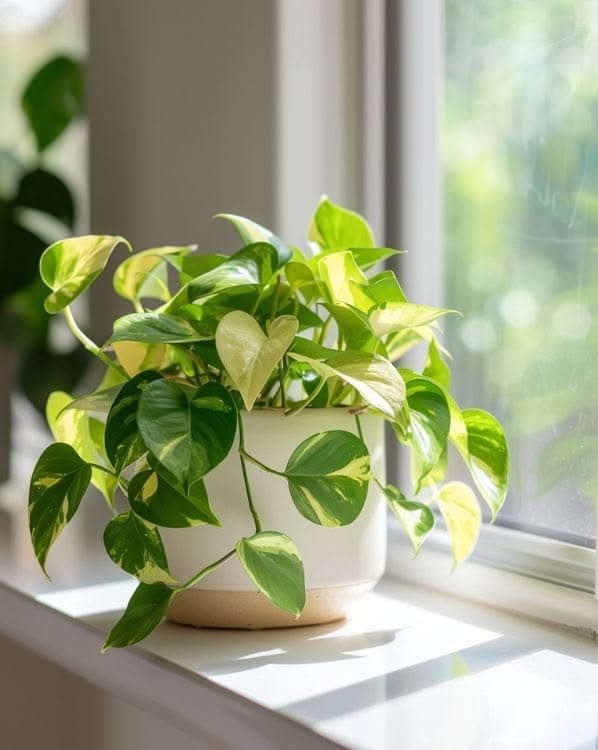
Leafy plants (money plant, pothos, philodendron, mint, basil, spinach)
Ratio: N higher than P and K. Try 20-10-10 or 14-7-7. Feed every two weeks in the growing season.
Flowering plants (hibiscus, jasmine, rose, marigold, petunia)
Pre-bloom: balanced 19-19-19 every two weeks. Once buds appear: switch to 10-26-26 every ten days until flowering ends. Then back to balanced.
Fruiting plants (tomato, chilli, brinjal, capsicum, pomegranate)
Seedling stage: 5-15-5 to encourage roots. Flowering stage: 10-26-26 weekly. Fruit-set onwards: drop the nitrogen, push potassium with 0-0-50 or banana peel water. Keeps fruit from going soft.
Succulents and cacti
Quarter-strength balanced fertilizer, once every two months in summer only. Most succulents in pots are over-fed, not under-fed.
Lawn and ground cover
High nitrogen, 20-5-5 or urea. Apply lightly and water in heavily after.
Why Balanced Is Usually Fine for Home Growers
Commercial growers obsess over exact NPK ratios because they are squeezing out the last 5% of yield from a plant. For a home grower with five to fifteen pots, the difference between 19-19-19 and a perfectly tuned ratio is invisible. The plant is bottlenecked by light or water long before it is bottlenecked by nutrient ratio.
Buy a balanced fertilizer. Feed regularly but lightly. Switch to a bloom booster only if you have a specific flowering plant struggling to bloom. That is 95% of the value.
Slow-Release vs Liquid: How NPK Delivery Differs
Liquid fertilizers deliver their full NPK in one watering, then wash out in the next two waterings. You get a quick spike, then nothing. Effective for rapid greening or recovery.
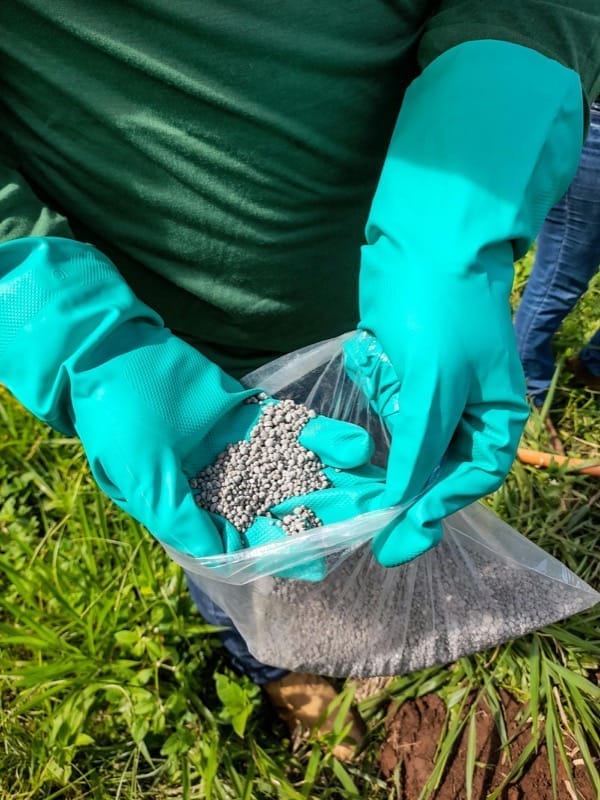
Slow-release fertilizers (sticks, granules with polymer coating) release a small amount of NPK every time the soil is moist. The plant gets a steady drip, never a spike. Better for set-and-forget feeding and for plants that resent fertilizer burn.
Our fertilizer sticks are 14-7-7, slow release over 60 days. The NPK leans nitrogen-heavy because the most common home plants (money plant, pothos, areca palm, snake plant) are all grown for leaves.
How Much Is Too Much
Fertilizer burn looks like brown crisp leaf tips and a white crust on the soil surface. If you see either, stop feeding immediately, flush the pot with three pots of plain water over a week, then resume at half dose.
Rule of thumb: it is better to under-feed slightly than over-feed slightly. A hungry plant grows slowly. An over-fed plant dies.
Frequently Asked
What about the small numbers, the trace elements?
Beyond NPK, plants need calcium, magnesium, sulphur, iron, manganese, zinc, copper, boron, molybdenum. Most cheap fertilizers only carry NPK. Better brands (including ours) include trace elements. If your plants are slowly losing colour despite feeding, you are probably missing a trace element, most often magnesium or iron.
Can I mix two different NPK fertilizers?
Yes but cautiously. If you have 19-19-19 and 10-26-26, you can use 19-19-19 normally and switch to 10-26-26 during flowering. Do not mix them in the same watering, just alternate.
Is organic NPK different?
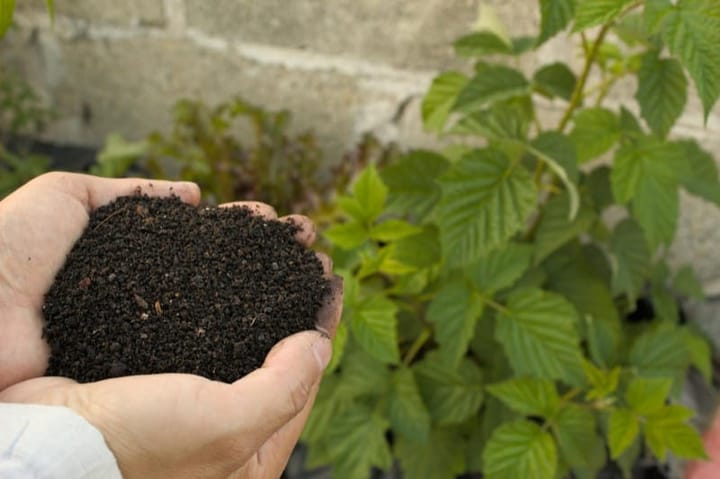
The label still reads the same way. A 4-3-3 organic compost has 4% N, 3% P, 3% K, like any other fertilizer. Organic NPK numbers are usually lower because organic matter releases nutrients more slowly. You apply more of it.
Does the order of the numbers matter?
Yes, always N-P-K, in that order, by convention everywhere in the world. A pack labelled 10-20-30 is always 10% N, 20% P, 30% K.
Read Next
Want to apply this to a specific plant? See the money plant feeding guide or how often to fertilize indoor plants.