Most "how often to fertilize" advice on Google is American or European. It's written for people whose plants grow from May to August. In India our growing season runs nine months. The monsoon disrupts everything. Delhi summer is its own beast. Generic monthly schedules under-feed in March and over-feed in July.
So here's the schedule we tell our customers, based on roughly 200 a month of them.
The Short Answer
For a typical indoor plant in a 6-inch pot, in a regular Indian apartment:
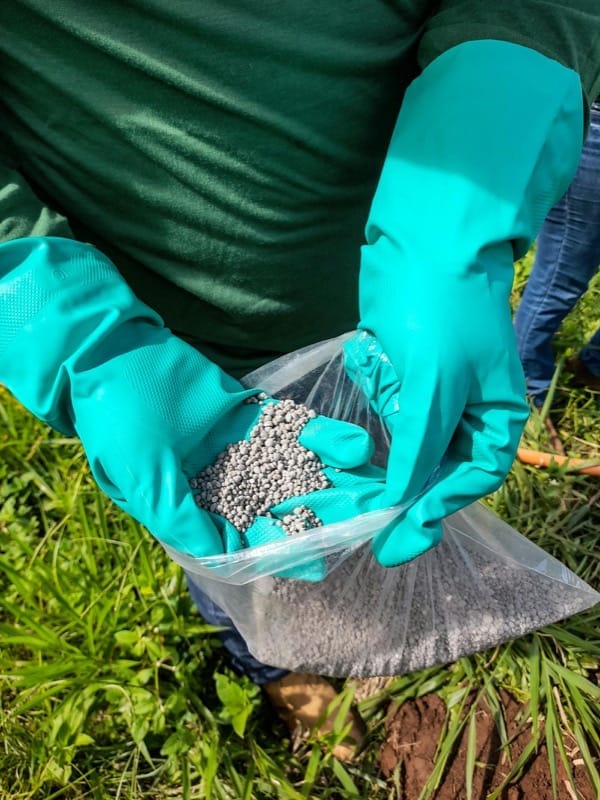
- Slow feed (sticks, granules), every 45 days from March to October. Skip November to February.
- Liquid feed, every 15 days from March to October. Skip in deep winter.
- Newly potted or stressed plants, wait 4 weeks. Roots need to settle first.
That's the headline. Below is why.
Why Monthly Advice Is Wrong for Us
"Fertilize once a month" works in a Boston flat because indoor temperatures are stable, light is moderate, and the growing window is six months. Bangalore plants grow ten months a year. Delhi plants grow harder in March and April than in July, when monsoon clouds slow everything down. A flat monthly schedule misses both extremes.
By Feed Type
Slow-release Sticks
Our Plant Food Sticks last about 45 days in soil. Push 2 sticks into a 6-inch pot, 3 into an 8-inch pot. Set a phone reminder for 45 days later, you will not remember otherwise.
The release rate slows when the weather cools, so a stick pushed in late October will quietly stretch into November without hurting anything. No need to rush a top-up.
Liquid Promoter
Our Plant Growth Promoter is a 15-day rhythm. One capful (about 10 ml) in a litre of water, poured around the base. The dose is small on purpose. Over-feeding stresses leaves more than under-feeding.
If you want a faster green-up, halve the dose to 5 ml per litre and use a spray bottle on the leaves. Plants absorb through leaves faster than through roots.
Compost or Cow-dung Manure
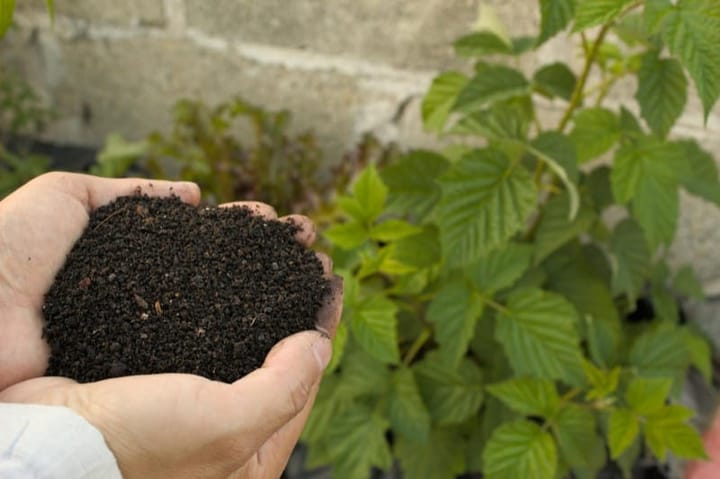
One handful, top-dressed once a year, at the start of spring. Early March in north India, early February in the south. One application is enough. More attracts gnats and smells in your living room.
By Plant Type
| Plant | Sticks | Liquid promoter |
|---|---|---|
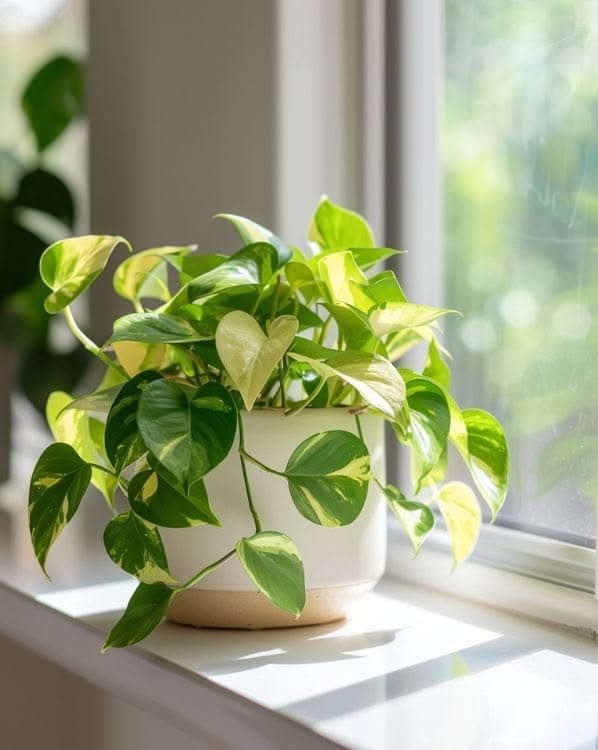
| Money plant, pothos | Every 45 days | Every 15 days |
| Snake plant, ZZ | Every 60 to 75 days | Every 30 days |
| Peace lily | Every 45 days | Every 15 days |
| Monstera | Every 45 days | Every 15 days |
| Tulsi, mint | Every 30 days | Every 10 days |
| Cacti, succulents | Skip the sticks | Once a quarter, half dose |
| Bonsai | Half a stick, every 60 days | Every 21 days, half dose |
When to Skip a Feed
- Heavy monsoon week. Soil is already soaked. Nutrients leach out the bottom faster than the plant can absorb them.
- Just repotted. Wait 4 weeks. Fresh potting soil already has its own nutrition.
- Plant looks stressed (drooping, wilting, recovering from pests). Treat the cause first. Feed only after it stabilises.
- Indoor temperature below 16 degrees. Most tropical plants pause growth. Feeding a paused plant just builds salt in the soil.
How to Spot Over-feeding
Brown crispy edges on leaves. White crust on the soil surface (mineral salts). New leaves smaller than older ones. If you see any two of these, stop feeding for two cycles. Once, water the pot heavily so water runs out the drainage hole. That flushes salts out.
One Rule When in Doubt
Feed less, not more. An under-fed plant slows down. An over-fed plant burns its roots, which is much harder to reverse. Hungry is recoverable. Burnt is often terminal.
If you want the longer "why slow-release beats chemical NPK in small Indian pots" argument, that post is coming. For now, this schedule is what we use ourselves.
Read Next
If the three numbers on the back of every fertilizer pack confuse you, read NPK explained. For money plants specifically, the money plant fertilizer guide. And for what feeding can't fix, the symptom diagnostic.