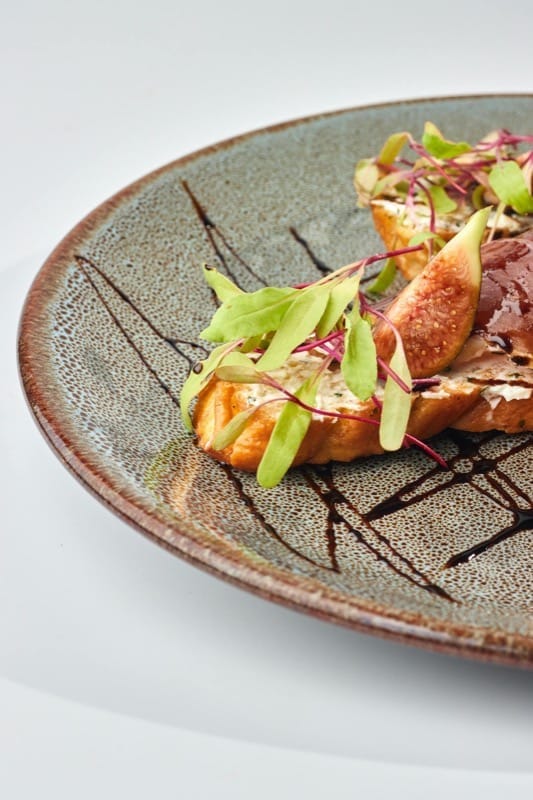
Microgreens went from a niche ingredient in a few Mumbai and Bangalore restaurants in 2018 to a standard plating accessory across Indian fine-dining kitchens within five years. The reasons are unglamorous: they survive on a hot plate, they look great on a plate photographed for social media, and they cost the restaurant almost nothing per garnish. The home cook who knows what restaurants buy can grow the same five varieties on a kitchen counter for a fraction of the supplier price.
- Cost to restaurants: ₹3 to ₹4 per plate from suppliers
- Home growing cost: ₹15 to ₹30 per tray (80g+ yield)
- Visual and flavour impact: outsized for the cost
The complaint we hear most often
The most common chef question we field is about shelf life after harvest. Three days maximum in a paper towel inside a sealed container in the fridge. No longer. Microgreens harvested on Sunday and used by Wednesday are fresh; by Friday they are slimy. This is why restaurants run two to five trays a week instead of buying in bulk; freshness is the whole point.
Why chefs like microgreens
1. Visual impact
A pinch of green on a brown dal makhani plate transforms the photo, which transforms the Instagram post, which transforms the cover the next evening. Restaurants are increasingly designed around their photographs as much as their flavour; microgreens are one of the cheapest ways to add visual interest to a finished plate.
2. Concentrated flavour
Microgreens deliver the taste of the mature plant but significantly more intense. A pinch of mustard microgreens provides a sharper punch than a full tablespoon of mustard leaves. For a chef plating a small portion of garnish, this concentration is the practical reason to use them.
3. They survive plating
Regular herbs like mint and coriander wilt within minutes of being placed on a hot plate. Microgreens stay structurally intact through the entire service of a hot dish. The texture and visual integrity is the point.
4. The cost margin
A 30-gram box costs restaurants ₹80 to ₹120 wholesale from a microgreens supplier and garnishes 20 to 30 plates. That works out to ₹3 to ₹4 per plate cost for a garnish with real nutrition that adds significant perceived value to dishes priced ₹400 and up.
What restaurants most commonly buy
Radish microgreens (the spicy pop)
Most-ordered variety. Pink stems, peppery flavour. Used on dals, kebabs, salads, anywhere a chef wants a small sharp accent.
Mustard microgreens (the wasabi substitute)
Sharper than radish. Used on tartare, sashimi-style preparations, kebabs that need a contrasting note. Genuinely hot; a little goes a long way.
Methi microgreens (the familiar)
Sweeter than adult methi. Used in fusion dals, paneer preparations, and Indian-inspired tasting menus. The flavour is recognisable to Indian diners but more refined.
Pea shoots (the pretty one)
Sweet, nutty, with decorative curling tendrils that photograph well. Used as a finishing garnish more than for flavour.
Sunflower microgreens (the substantial one)
Thick crunchy stems. Used as more than garnish; substantial enough to be a small salad ingredient in grain bowls, on toast, in raitas.
Where chefs source microgreens
- In-house growing. Two to three trays running weekly on staggered timelines. Setup cost under ₹3,000 for a small cafe.
- Specialist suppliers. Companies that deliver fresh trays two to three times a week. Higher per-tray cost but no kitchen labour.
- Bulk from manufacturers. Growing kits and seeds, but most manufacturers require minimum orders of 100 to 1,000 units. Practical only for larger operations.
For a home cook trying to recreate restaurant garnishes, growing your own is the only viable option. Suppliers do not service home customers economically.
How to grow what restaurants buy
The technique for restaurant-grade microgreens is the same as for home microgreens, with three small differences:
- Sow denser. Restaurants want the carpeted look where the shoots completely cover the tray. Use 30 to 50% more seed than a home recipe suggests.
- Cut at the right moment. The day the first true leaves are clearly visible. Wait one more day and they bolt; cut one day too early and the leaves are still just cotyledons.
- Harvest immediately before service. Cut, wash, drain, plate, within two hours. Microgreens lose visual crispness within an hour of being cut.
Storage
Microgreens are highly perishable.
- Best: harvest just before plating. Eat within two hours of cutting.
- Practical: cut, wash, dry on a paper towel, store flat in a sealed container in the fridge. Use within three days.
- Do not: cut and leave at room temperature, or store wet. Both cause rapid bacterial growth and a sour smell within 24 hours.
Setting up a small cafe with in-house microgreens
A 90 cm by 60 cm shelf with three trays running on staggered timelines covers a full menu's garnish needs. Total setup cost under ₹3,000.
Schedule:
- Tray 1: sow Monday, harvest Sunday.
- Tray 2: sow Thursday, harvest the following Wednesday.
- Tray 3: sow Sunday, harvest the following Saturday.
Each tray yields 80 to 100 grams of microgreens, which covers 20 to 30 plates of garnish. Three trays a week comfortably covers a small restaurant or cafe doing 40 to 60 covers a day.
The shelf needs indirect bright daylight and a steady ambient temperature (24 to 30°C). A kitchen window works for most of the year in most Indian cities; peak summer in inland cities may need shade cloth or a slightly cooler corner.
How long does a restaurant's tray last before re-sowing?
Single use per batch, same as home. A restaurant kitchen runs two to five trays a week to cover daily garnish needs. Discard the spent peat after each harvest; it carries microbial load and the next batch fails reliably if you try to reuse it.
Are restaurant microgreens different from home microgreens?
Same plants, same method, just more practised execution. The visual density is the main difference; restaurant trays are sown more densely and the shoots completely carpet the tray. The flavour is identical for the same variety grown at the same maturity.
Can a small cafe set up its own growing area?
Yes, easily. A 90 by 60 cm shelf with three trays running on staggered timelines covers a full menu's garnish needs. Total setup cost under ₹3,000. Pays for itself within two to three weeks compared to buying from suppliers, assuming you have the kitchen labour to mist daily.
Which microgreen has the highest flavour-to-cost ratio for home use?
Mustard. Cheap seeds, fast growth, intense flavour. A small handful adds significant heat to any dish. Radish is more visually striking but milder; pea is prettier but sweeter and less savoury.
How long do harvested microgreens last in the fridge?
Three days maximum, in a sealed container with a paper towel to absorb moisture. The paper towel is the trick; it prevents the microgreens from going slimy. Without it, they last about 36 hours.
Microgreens went from niche to standard in Indian restaurant kitchens because they solve three practical problems (visual, flavour, plate survival) at low cost. The home cook can grow the same five varieties for a fraction of the supplier price. Start with radish on a kitchen counter, scale to three staggered trays once the cycle becomes routine.