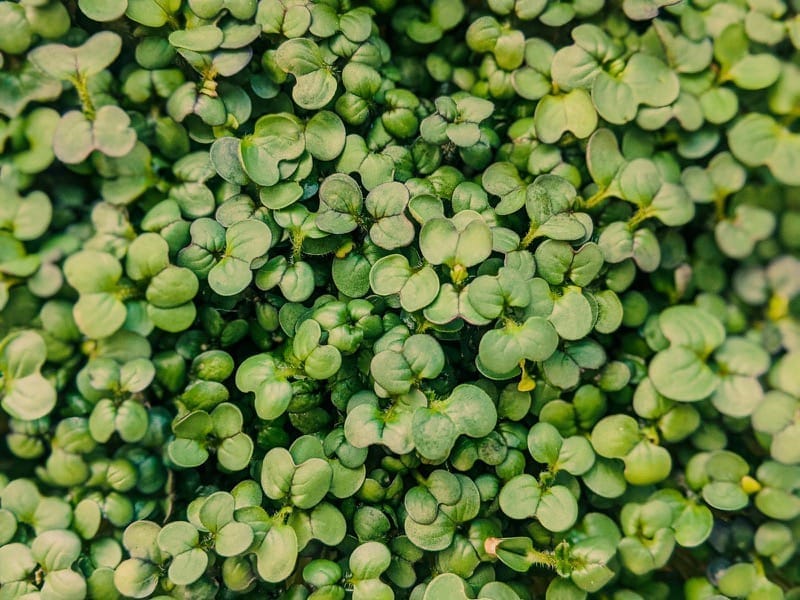
Monsoon is the worst season for most balcony plants and the best season for microgreens. The constant humidity that wrecks tomatoes, the persistent dampness that rots cactus, the low-light overcast days that fade hibiscus, all of these are exactly what microgreen seeds want. Most home gardeners abandon the balcony in July and miss the only window where microgreens grow effortlessly.
The complaint we hear most often
Customers write us in week two of the monsoon every year saying everything in their tray is moulding. The cause is airflow, not water. The peat is staying damp for too long without ever drying briefly, and the still indoor air around the tray during a rainy week traps the humidity. The fix is a fan running low in the room, not less water. Six trays we troubleshoot in July look identical: green shoots, grey fuzz at the base, owner adding less water and getting the same result.
Why monsoon works for microgreens
The single biggest challenge in microgreen growing is keeping the seeds moist during the first three days of germination. In summer dry heat, the peat dries out within hours of misting and germination stalls. In winter, low temperatures slow the germination rate.
In monsoon humidity, the surface stays naturally moist. Mist once a day and you are done. Compared to summer when you mist three times, monsoon is the easier season by a wide margin.
Germination rates increase by 20 to 30% compared to summer months in our own kitchen tests across batches. The shoots come up more uniformly, larger, and faster.
Three things to do differently in monsoon
1. Move the trays inside the house
If you usually grow microgreens on a balcony, move them inside during heavy monsoon. Reasons:
- Rain pelting the tray surface flattens the shoots and dislodges seeds.
- Birds and squirrels go for sprouting seeds aggressively in monsoon.
- Indoor light is sufficient because the diffuse overcast sky outside is plenty.
A kitchen counter or a windowsill works for the entire monsoon. Move back outside after the monsoon if you prefer outdoor growing.
2. Increase airflow
The combination of warm air and high humidity is fungal heaven. Without airflow, the trays develop grey fuzz at the base of the shoots between days 4 and 7: see the mold guide to tell root hairs from real fungal growth before taking action.
The simplest fix: run a ceiling fan on low or open a window during the day. Even gentle air movement prevents fungal growth without drying the trays out.
3. Skip the pre-soak for big seeds
In summer, sunflower and pea seeds need 6 to 8 hours of soaking before sowing to germinate well. In monsoon, ambient moisture is enough; the dry seeds germinate fine without pre-soaking, and skipping the soak reduces fungal risk in the soaked-seed phase.
Two things to avoid in monsoon
1. Do not over-mist
The instinct is to keep misting because the routine is built around moisture retention. In monsoon, moisture retention is automatic and additional misting tips the balance into fungal territory.
2. Do not sit the tray on a saucer full of water
The two-tray drainage system already catches runoff. Empty the bottom tray every other day in monsoon. Standing water plus humid air plus warm temperatures grows bacteria fast; in summer the standing water evaporates within a day, in monsoon it sits there for a week.
Easiest seeds for monsoon
- [Radish](/guides/radish-microgreens/): 7 days to harvest, fastest germination, least time exposed to fungal risk.
- Mustard (8 days). Same fast cycle.
- Methi (10 days). Slightly more fungal-prone but the short cycle keeps it manageable.
Avoid in monsoon: sunflower and pea (longer cycles, larger seeds with more surface for fungal growth), basil (the slowest variety, three weeks in monsoon humidity is fungal roulette).
Storage of harvested microgreens in monsoon
Harvested microgreens deteriorate faster in monsoon humidity than in any other season. The same paper-towel-in-sealed-container method works, but expect freshness to last two days instead of three.
Eat what you harvest within 48 hours. Plan smaller batches harvested more often rather than one big tray harvested once a week.
Why monsoon is a good time to start your first batch
If you have been thinking about trying microgreens and never started, monsoon is the easiest entry point. The high success rate of first batches in monsoon humidity builds confidence; if you can grow microgreens reliably in July, you can grow them in any season.
The same first-time grower who would fail twice in summer due to the trays drying out can succeed on the first try in monsoon. If seeds are not germinating after several days, heat and overwatering are the most common culprits, not the season itself.
How do I tell the difference between root hairs and mould on my microgreens?
Root hairs appear as fine bristles on the underside of the seed and vanish when you mist them with water (they reabsorb moisture and become invisible). True mould is grey or white, spreads in a mat across the peat surface, and does not vanish on misting. If in doubt, increase airflow with a fan; root hairs are not affected, mould stops spreading or dies back.
My microgreens are growing slower in monsoon than in summer. Why?
Cooler temperatures, not humidity. Indian monsoon averages 26 to 30°C, slightly cooler than peak summer 32 to 38°C. The slower temperature slows growth by a day or two on each variety. Yield and flavour are the same; the cycle is just a bit longer.
Can I grow microgreens outdoors during monsoon?
Not directly exposed to rain. A covered balcony or porch works if the location is protected from direct downpour. The light is sufficient (monsoon overcast is plenty), but rain physically damages the shoots. Most monsoon growing happens indoors near a window.
Should I use less water in monsoon?
Yes. Mist only when the surface looks visibly dry, which may be once every other day instead of daily. The peat stays moist longer due to ambient humidity; over-misting in monsoon is the single most common cause of fungal failure.
Which microgreen has the highest success rate in monsoon?
Radish. The 7-day cycle is the shortest, the seeds are robust, and the germination success rate in monsoon humidity is essentially 100% for fresh seed. Mustard and methi are close seconds; both have similar short cycles and high success rates.
Monsoon is the underrated microgreen season. Lower difficulty than summer, faster germination than winter, almost no extra equipment needed. The same kitchen counter that struggles to grow tomatoes in July produces tray after tray of microgreens with minimal effort. Start in monsoon if you have not started yet; switch the routine, run a fan, mist less. The cycle becomes easier, not harder, in the season most growers avoid.