Aglaonema (commonly called Chinese evergreen) is the most widely purchased foliage plant for Indian offices, banks, hotel lobbies, and homes. The reason is straightforward: it tolerates low light better than almost any other decorative plant. It will survive in the kind of dim, air-conditioned interior that would kill a monstera, a rubber plant, or a fiddle leaf fig.
What most people do not know is that the plant they have seen surviving in a dim corridor for three years is not thriving. It is enduring. In better conditions, brighter indirect light, appropriate water, monthly feeding, aglaonema grows faster, produces larger leaves, and the red and pink varieties develop the vivid colouration that makes them worth growing.
Varieties and Colour
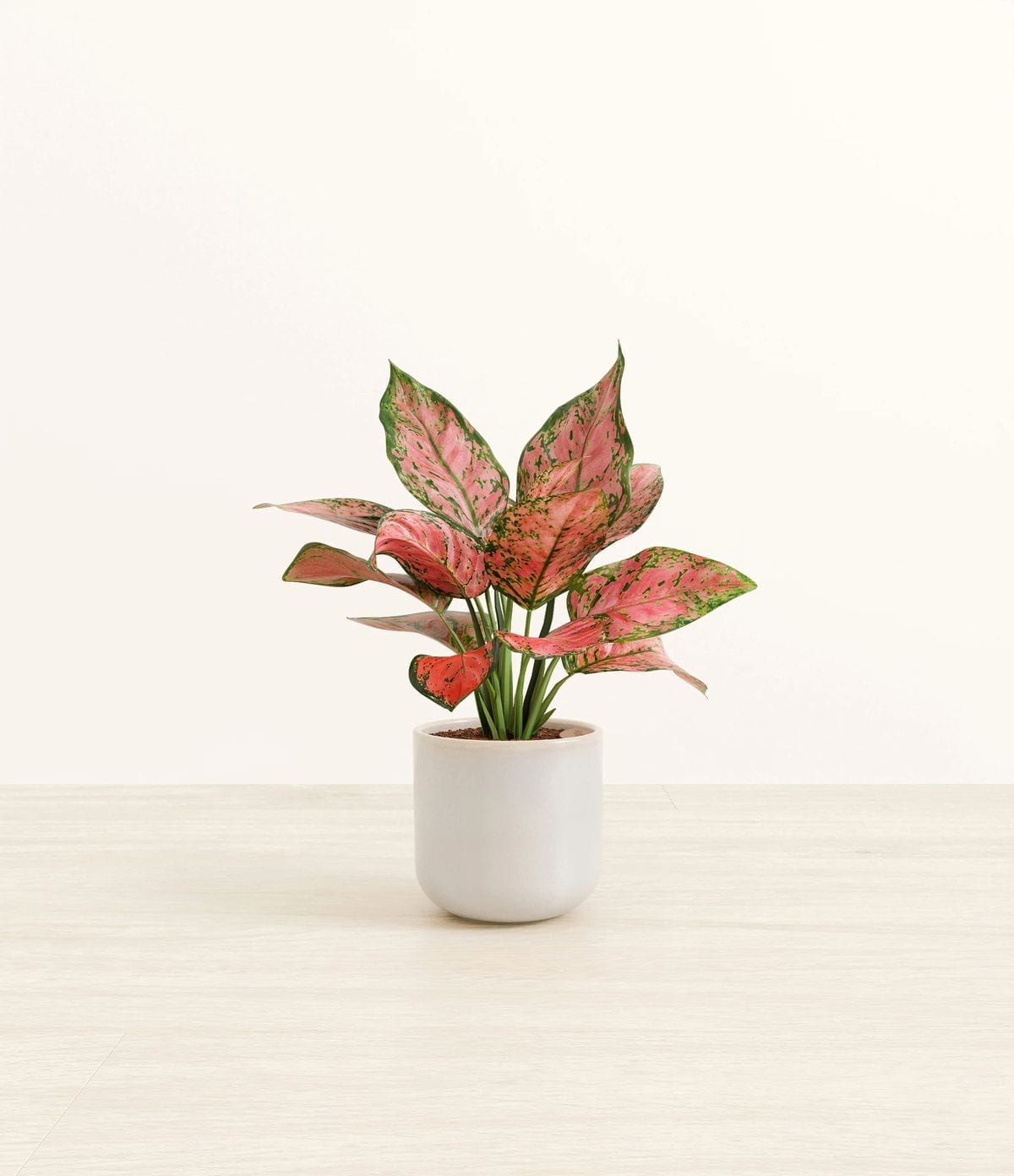
Aglaonema comes in dozens of varieties across a range of colours. The all-green types are the most shade-tolerant. The red and pink varieties, Red Siam, Pink Moon, Creta, need significantly more light to maintain their colouration. In low light they revert toward green as the plant reduces pigment to maximise photosynthesis. If you bought a red aglaonema because of its colour and it is now mostly green, it needs more light. The variegated green-and-white types, Silver Bay, Maria, are somewhere in the middle.
Light
All aglaonema need bright indirect light to grow well. Green varieties can manage in low light but will be slow and leggy. Red and pink varieties need bright indirect light at a minimum to hold their colour. Direct sun burns aglaonema leaves. A sheer curtain between the plant and a sunny window is the right setup.
Water
Water when the top inch or two of soil is dry. Aglaonema does not want to sit in wet soil but also does not like the soil to remain completely dry for extended periods. In a typical Indian flat during summer, this usually means watering once every five to seven days. In a cooler, less bright indoor position in winter, once every ten to fourteen days.
Yellow lower leaves combined with soft stems usually means overwatering. Brown, crispy leaf edges usually means underwatering or low humidity.
Humidity and Temperature
Aglaonema prefers humidity above 50 percent. In Indian homes during summer and monsoon, ambient humidity is usually sufficient. In air-conditioned offices and rooms during winter, the air can be quite dry, and the plant will show this as brown leaf edges. It is frost-sensitive, keep it away from cold drafts in North Indian winters.
Feeding
Feed monthly from March through October with a balanced liquid fertilizer or push in slow-release fertilizer sticks at the start of the growing season. An aglaonema that has been in the same pot without feeding for more than a year will show it as very slow growth and increasingly pale new leaves.
Common Problems
Brown leaf tips: Low humidity, excess fluoride in tap water, or the leaf tip touching a cold surface or air conditioning vent. Switch to filtered water or leave tap water standing overnight before use.
Yellowing lower leaves: Some yellowing of the very lowest oldest leaves is normal as the plant ages. Widespread yellowing higher up is usually overwatering or root rot.
Red variety going green: Needs more light. Move it closer to a window with natural light.
Mealybugs: Check the leaf axils and undersides of leaves. Treat with neem oil spray or wipe with isopropyl alcohol on a cotton swab.
Frequently Asked Questions
Can aglaonema grow in a room with no windows?
It can survive for months under fluorescent lighting but will eventually decline without any natural light. Rotate it periodically with a brighter-position plant to give it recovery periods.
Is aglaonema toxic?
Yes. It contains calcium oxalate crystals that cause irritation to the mouth and digestive tract if ingested. Keep away from children and pets.
How long does aglaonema live?
In good conditions it is a long-lived plant, five to ten years is not unusual. Neglected office specimens that have been watered erratically and never fed may look alive for years while being in poor health.
Why does my aglaonema have spots on the leaves?
Brown spots with yellow halos are usually a fungal or bacterial issue caused by water sitting on the leaves, overwatering, or poor air circulation. Water at the base, not overhead, and ensure some air movement around the plant.