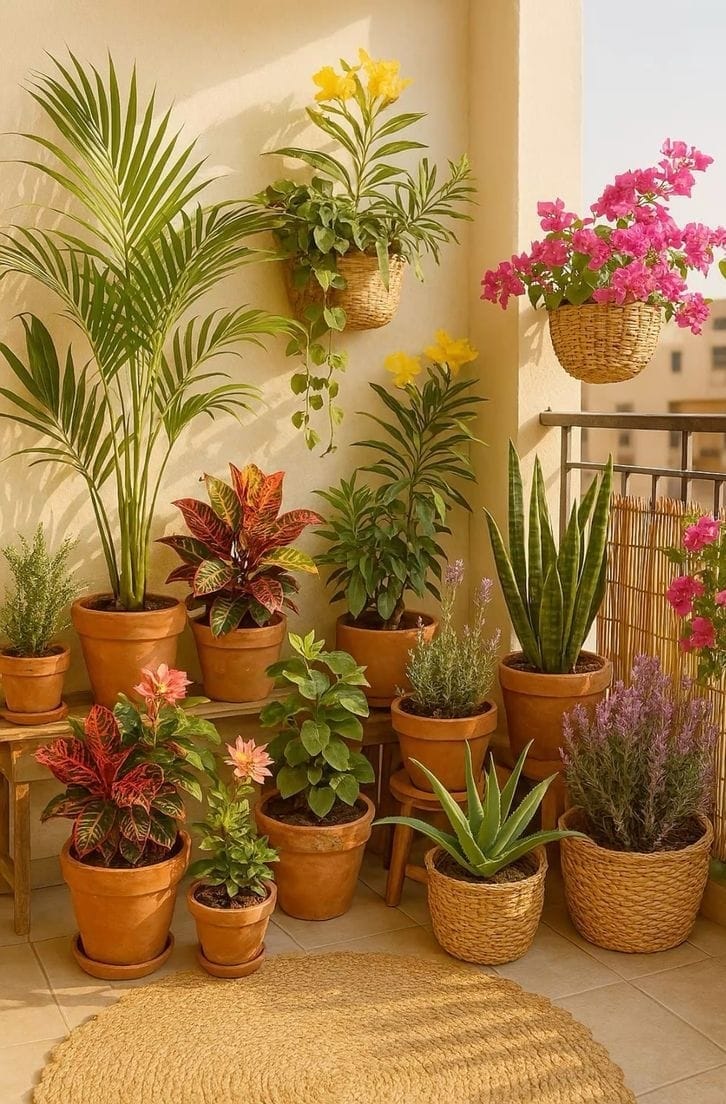
If you have just rented or bought a flat with a balcony, and you are looking at it thinking it could become a garden, this is the only guide you need to start. Not a list of pretty plants. The actual practical sequence: how to read the balcony, what to buy first, what to plant first, what to expect in the first month, and the twelve mistakes most beginners make.
We have set up balcony gardens for friends and family for twelve years and run our own for four. The pattern is always the same, and the principle is always the same: start small, learn what the balcony wants, then expand.
Reading Your Balcony
Before you buy a single pot, spend one weekend just observing. Three things to note:
Sun hours
Take a photo from inside the balcony at 8 AM, 11 AM, 2 PM, and 5 PM. Compare. Mark on a rough sketch which parts of the floor are in direct sun and which are shaded at each hour. The result is your sun map.
- More than 6 hours of direct sun = full sun. Tomatoes, chillies, marigolds, hibiscus thrive here.
- 3 to 6 hours = partial sun. Most herbs, leafy greens, money plants in pots.
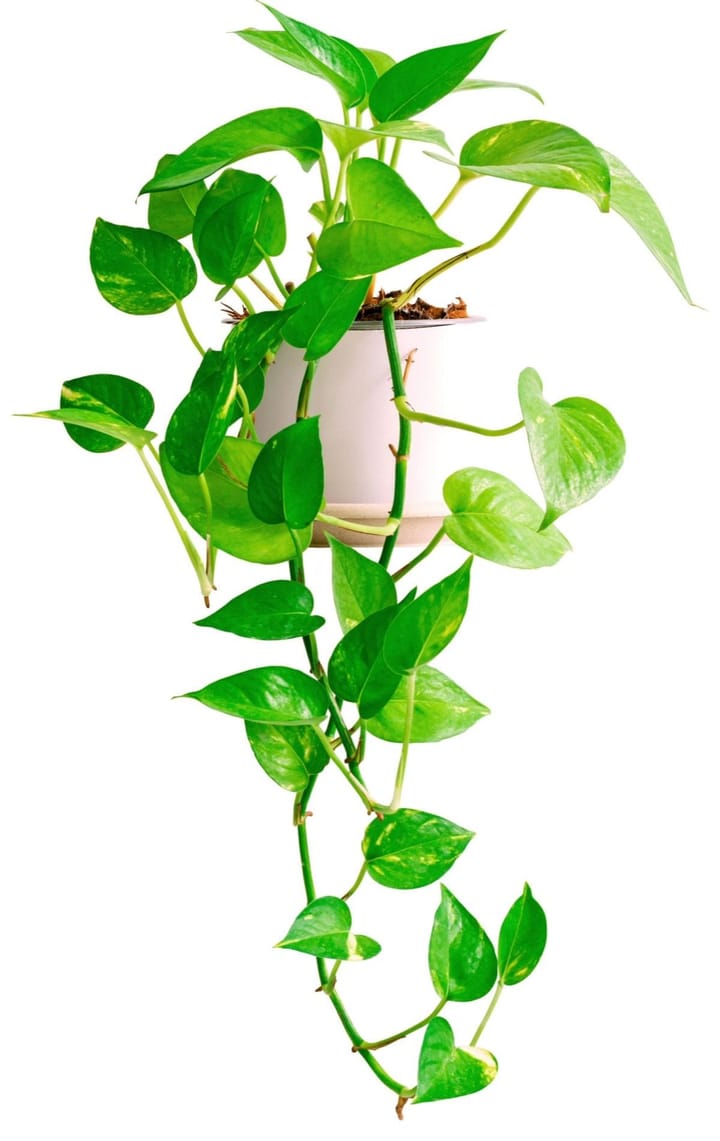
- Less than 3 hours = shade. Snake plant, peace lily, areca palm, pothos.
Wind direction and strength
Hold a strip of paper at balcony-rail height for one minute, three different times. Strong wind on a high-floor balcony will dry pots in half a day and snap tall plants. If your balcony is windy, you will need heavier pots and lower-growing plants. Pre-emptively stake anything you grow tall.
Floor type
Tile, cement, or wood deck? All retain heat differently. Tile and cement balconies get scorching in summer (45°C+ floor temperature). Pots sitting directly on hot tile lose all bottom roots within a week. Always raise pots 2 cm off the floor on bricks, a wooden grid, or pot stands.
Pot, Soil, Water: The Three Things That Decide Success
Pot
Three rules, in order:
- Drainage holes. No drainage = dead plant. If a pot does not have a hole at the bottom, drill one or do not buy it.
- Size matters less than people think. Most beginners buy pots too small, the plant outgrows it in 3 months. Start with 8-inch (20 cm) diameter pots for medium plants, 10-inch for tomato or hibiscus.
- Material: terracotta breathes (best for cacti, herbs), plastic holds moisture (good for tropical plants), ceramic looks nice but heats up in sun. Match the material to the plant.
Soil
Do not use only garden soil from a nursery sack. It compacts solid in a pot within a month and roots cannot breathe. The right mix for most plants:
- 2 parts garden soil
- 1 part compost (cow manure, vermicompost, kitchen compost)
- 1 part coco peat (lightens the mix, holds water).
Mix everything in a bucket before filling pots. We sell coco peat discs sized for exactly this, one disc fills the coco peat portion of one 8-inch pot.
Water
More plants die from overwatering than underwatering. The right rhythm:
- Push your finger 2 cm into the soil. If it is moist, do not water. If dry, water.
- Water deeply when you do, until 30% drains out the bottom. Then leave alone.
- Morning or evening, never midday in summer (water on hot leaves burns them).
- Skip the saucer or empty it daily, especially in monsoon when standing water breeds mosquitoes.
Eight Plants That Thrive on Indian Balconies
If you are starting from zero, these eight plants will give you the highest success rate. Each is linked to a deep guide if you want detail.
1. Money Plant
The forgiving classic. Vines, tolerates low light, cheap. Start here. Full care guide.
2. Tulsi
Auspicious, fragrant, useful. Likes morning sun. Pinch the tips weekly to keep it bushy. Seed-to-harvest tulsi guide.
3. Chilli
Plant from seed in October or February. Fruits in 90 days. One plant gives a kitchen all the green chillies it needs. Chilli from seed guide.
4. Hibiscus
Flowers most of the year if fed regularly. Wants full sun. The single red is hardier than the fancy hybrids.
5. Coriander
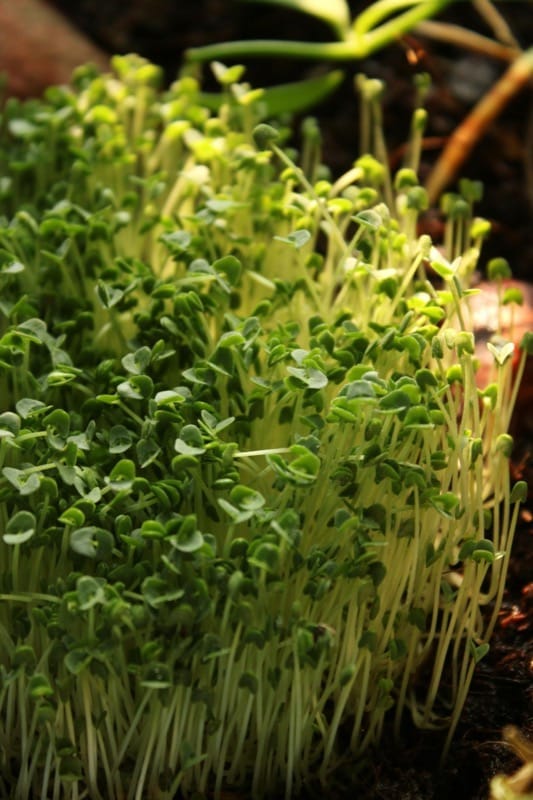
Sow seeds direct into a wide tray. Harvest in 30 days. Sow a new tray every fortnight for continuous coriander.
6. Mint
Aggressive grower, keep in its own pot or it takes over. Likes partial shade and constant moisture.
7. Snake Plant
For the shadiest spot on the balcony, or indoors. Practically indestructible.
8. Areca Palm
For a corner that needs height. Tolerates partial shade. Wants weekly watering and monthly feeding.
The First Month: Week by Week
Week 1: Buy and set up
- Make your sun map.
- Buy 4 to 6 pots in 8-inch to 10-inch sizes with drainage holes.
- Buy one bag of garden soil, one bag of compost, a 5-pack of coco peat discs, and a bag of small pebbles for pot bottoms.
- Buy 3 starter plants from a local nursery. We suggest: money plant, tulsi, mint. Easy, all three.
- Pot them up with the 2:1:1 mix. Water once thoroughly. Place each in its right sun zone.
Week 2: Observe
- Do not water unless your finger test says to.
- Note which plants droop, when. That is your watering schedule.
- Take photos to compare growth.
Week 3: First fertilizer
- Push 2 fertilizer sticks into each pot, or use 19-19-19 liquid at half strength.
- Buy 2 more plants if the first 3 are doing well. Pick from the eight-plant list.
Week 4: First pruning
- Pinch the tips of tulsi and mint. They will grow back bushier in two weeks.
- Clean up any yellow lower leaves on money plant.
- Make a note of any plant struggling and check the symptom diagnostic guide.
Feeding Schedule
Once plants are established (4 weeks in):
| Season | What | How often |
|---|---|---|
| Mar to Jun (growing) | Balanced 19-19-19 or fertilizer sticks | Every 2 weeks (liquid) or every 60 days (sticks) |
| Jul to Sep (monsoon) | Reduce by half. Heavy rain washes nutrients. | Every 3 weeks |
| Oct to Nov | Switch to a higher-potassium feed to harden the plant for winter | Every 2 weeks |
| Dec to Feb (dormant) | No feeding | Skip entirely |
Read our NPK guide for what the numbers mean.
Pest Control Without Chemicals
On a small balcony, you do not need pesticides. Three tools handle 95% of pest problems:
- Neem oil spray (5 ml per litre of water + one drop dish soap). Weekly during monsoon, every 3 weeks rest of the year.
- Cotton bud dipped in 70% alcohol. For mealybug spotted on leaf joints. Wipe each bug individually.
- A strong jet from the tap on the underside of leaves. Knocks off aphids and spider mites.
Detailed pest treatments: mealybug guide and neem oil guide.
Monsoon, Summer, Winter: What Changes
Monsoon (Jun to Sep)
Water less, often the rain takes care of watering. Pre-treat for fungus with weekly neem spray. Empty saucers daily. Move succulents under cover. Pre-monsoon prep is its own checklist: read it here.
Summer (Apr to early Jun)
Brutal in north India. Water in the evening, mist daily, move plants to the shadiest corner of the balcony in the afternoon. Delhi summer survival guide.
Winter (Dec to Feb)
Most plants slow down. Water less, feed not at all. Move tropical plants indoors at night if temperatures drop below 10°C. Some plants (tulsi, basil) may die back; trim hard and they regrow in March.
Twelve Mistakes First-Time Growers Make
- Buying pots without drainage holes.
- Using only garden soil with no compost or coco peat.
- Watering on a schedule instead of by finger-test.
- Watering too little (a quick sprinkle that does not reach the roots).
- Putting a shade plant in full sun, or vice versa.
- Starting with twelve plants on day one. Three is enough.
- Fertilizing a sick plant. Fertilizer is food, not medicine.
- Repotting in peak summer or peak winter. Spring and autumn only.
- Ignoring drainage. Pots sitting in saucers of water for days.
- Buying fiddle leaf figs as a first plant.
- Skipping pest checks until the infestation is visible.
- Giving up after one plant dies. Plant death is part of growing.
When to Expand
After three months of consistent success with 6 to 8 plants, you are ready to add specialty plants: herbs that need more care (basil, oregano), flowering plants (jasmine, gulmohar bonsai), or food crops (tomato, brinjal). Until then, keep the balcony simple. Confidence in the basics is the foundation.
Frequently Asked
How much should I budget for the first month?
Around ₹1500 to ₹2500 covers six pots, soil, compost, coco peat, fertilizer sticks, neem oil, and the first three plants. After month one, expect ₹200 to ₹500 a month for fertilizer, occasional new plants, and pest supplies.
My building has no direct sunlight on the balcony. Can I still grow things?
Yes, but stick to shade-tolerant plants only: snake plant, ZZ, money plant, pothos, peace lily, areca palm. Skip anything that flowers or fruits. Even a fully shaded balcony can host a beautiful foliage garden.
Is it OK if I am away from home for 2 weeks?
Yes with prep. Move pots into a shadier spot, group them tightly (raises humidity), water deeply the morning you leave, and put a 2L plastic bottle with a pinhole upside down in each pot as a slow-drip reservoir. Plants will survive 14 days. They may look stressed but will recover in a week.
My neighbour's cat keeps digging in my pots. What do I do?
Stick chopsticks vertically into the soil (cats hate landing on them), or scatter orange peel on top (cats dislike the smell). Both fade in effect after a month, rotate. Chicken wire over the soil also works.
Should I move my plants when I move flats?
Yes, but only the ones in pots you can lift one-handed. For anything bigger, take cuttings and root them in the new place, leave the parent plant. Long-distance moves with established pots usually kill the plant from transplant shock.
Where can I buy seeds, soil, and pots in bulk?
Local nurseries are best for plants. For soil and coco peat, our IndiaMART listing has bulk pricing. For seeds, INDOAG, Allthatgrows, and Urban Sprouts ship pan-India.
Read Next
Once the basics are working, dig into specifics. Our guides archive has dedicated posts on monsoon care, money plants, tulsi, chillies, microgreens, neem oil, and more. Or jump straight to our products for the fertilizer sticks, coco peat, and plant booster oil we mention throughout.
Questions? WhatsApp us. We answer ourselves, usually within a day.