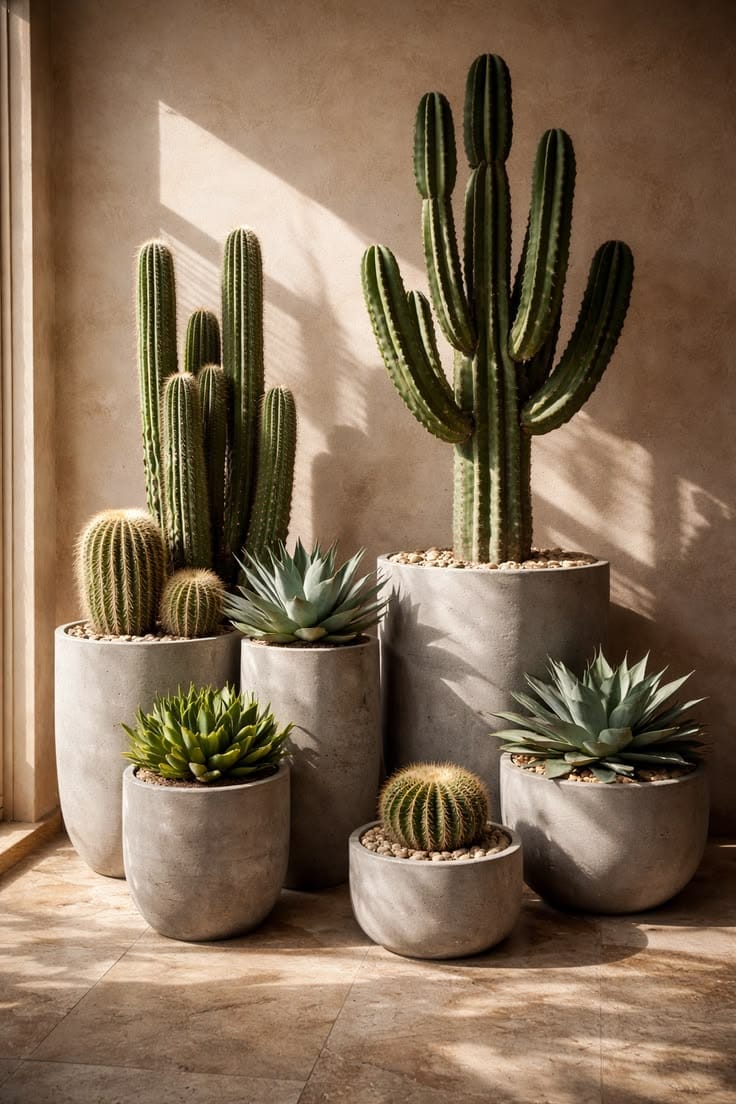
Cactus is the plant most commonly purchased by people who believe they cannot keep plants alive. The logic is sound: cacti survive deserts, so surely they can survive an Indian flat. What nobody explains is that desert survival requires specific conditions, primarily bright sun and very fast-draining soil, that most indoor environments do not provide. The combination of low light and regular watering kills more cacti in India than any other cause.
What Cactus Actually Needs
Intense, direct sun for several hours per day. Soil that drains in seconds, not minutes. Water so infrequent that most plant owners feel like they are neglecting it. These three requirements explain most cactus failures in India.
A cactus on a north-facing windowsill receiving only ambient indoor light is not a cactus being kept indoors, it is a cactus being slowly killed by insufficient light. It will etiolate, become pale and elongated, and eventually collapse over six months to a year.
Sun
A south or west-facing balcony or windowsill with several hours of direct sun is the right location. The plant can handle the full intensity of Indian sun in most cases. The exception is a cactus that has been kept indoors in low light and is suddenly moved to full intense sun. This transition can cause sun scald. Transition gradually over two weeks: start with morning sun, then progressively more direct exposure.
Water
Water deeply and infrequently. During the growing season, water when the soil is completely dry and the pot feels light. In summer in a terracotta pot in full sun, this might be every two weeks. In winter, once a month is often sufficient. Some desert cacti in Indian winters need no water at all for three months.
The test: pick up the pot. Dry cactus pots are noticeably light. A recently watered pot is heavier. This weight check is the most reliable indicator for succulents and cacti. Do not mist. Do not spray. Water the soil only.
Soil
Standard potting soil is not suitable for cactus. Use a cactus-specific mix, or make your own: fifty percent coarse river sand or perlite, fifty percent regular potting soil. The soil should drain within seconds of watering. Terracotta pots over plastic, always.
Indian Monsoon
Monsoon is the most dangerous season for outdoor cacti in India. Prolonged rain combined with cool temperatures, high humidity, and reduced sunlight is the opposite of what cactus wants. Move container cacti under a covered area during the weeks of heavy monsoon rainfall. An outdoor cactus sitting in rain-saturated soil for three weeks in July will develop root rot.
Common Problems
Pale, stretched growth from the top: Etiolation from insufficient light. Cannot be reversed, but can be stopped by moving to better light. The stretched section can be cut off, the remaining healthy base will produce new growth from its areoles.
Soft, mushy base: Root rot. Cut away all soft tissue until only firm flesh remains, dust cuts with sulfur powder or cinnamon, let dry for 48 hours, repot in completely dry fast-draining mix. Do not water for two weeks.
Shrinking, wrinkled appearance: Underwatering. Water thoroughly. In most Indian conditions this is rare, overwatering is the far more common problem.
Frequently Asked Questions
Can I keep a cactus on my office desk?
Only if the desk is near a window receiving direct sun for several hours. Under artificial lighting without natural sun, the cactus will slowly etiolate and decline.
How long can cactus go without water?
Most common species can go three to four weeks without water in summer without harm. In winter, two to three months is not unusual for dormant desert species.
Why is my cactus turning yellow or orange?
Could be root rot (check the base for softness), sun scald from sudden exposure to intense sun, or natural variation in some species.
Do cacti flower?
Yes, most do, though conditions vary. Many cacti need a cool, dry winter rest to trigger spring flowering. Cacti on outdoor balconies that cool down in North Indian winters are more likely to flower than those kept at room temperature year-round.