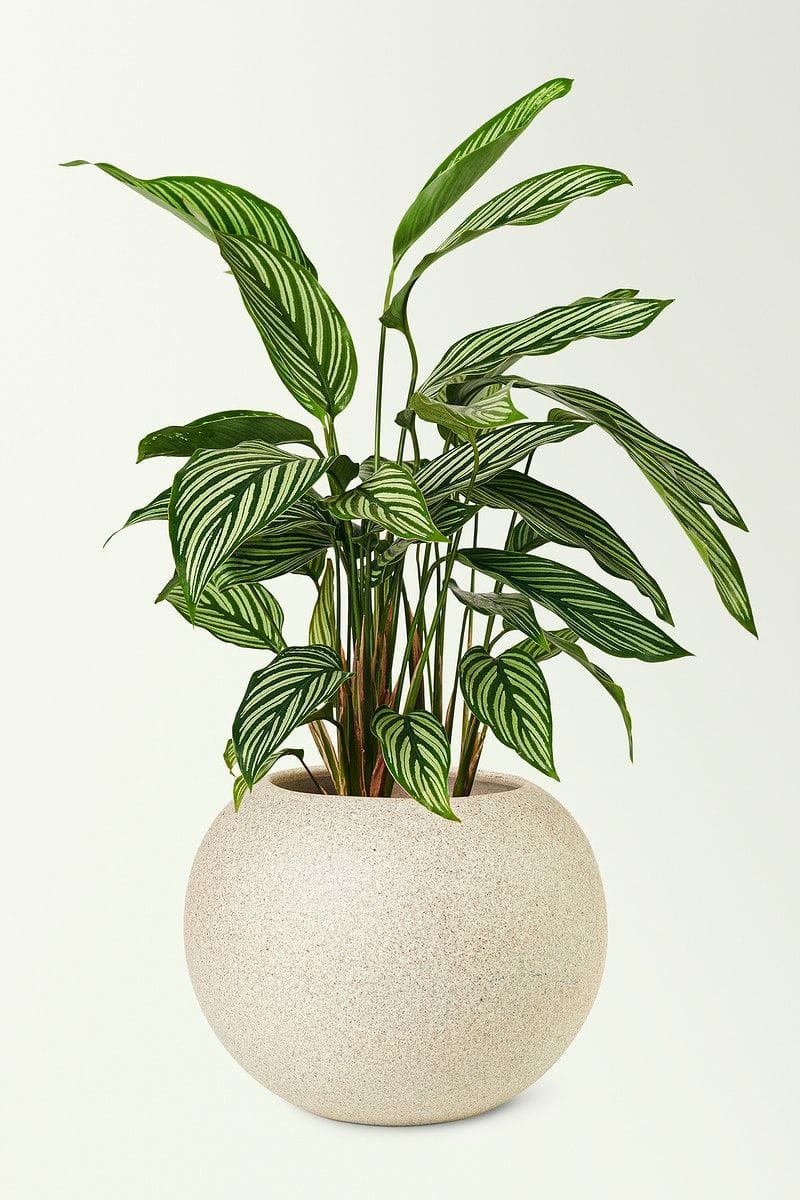
Calathea is the diva of Indian houseplants. It is also genuinely beautiful, the painted leaf patterns on Calathea ornata, Calathea medallion, and Calathea zebrina are unlike anything else available in the houseplant market. The problem is that most people who buy it have not been told that it is particular about three things, and those three things are not what most houseplants need.
Get those three things right and calathea is manageable. Get them wrong and it will produce brown edges, yellow leaves, and eventually collapse in a way that feels personal.
The Three Things
Water quality. Humidity. No direct sun. These are the three specific requirements that differentiate calathea from most other indoor plants. Everything else, soil, pot size, feeding schedule, matters but is secondary.
Water Quality
Calathea is highly sensitive to fluoride and chlorine in tap water. Most Indian municipal water contains both. Watering calathea regularly with tap water from Delhi, Mumbai, or Bangalore will produce progressive brown crispy edges that spread inward from the leaf margins over weeks until the leaves look burned.
The solution is filtered water, RO water, or rainwater. If you have an RO purifier at home, the output water is suitable. If you use tap water, let it stand overnight in an open vessel to allow chlorine to dissipate, though this does not help with fluoride. Brown edges on calathea in India are almost always a water quality problem.
Humidity
Calathea needs consistent humidity above 60 percent. In Indian monsoon season this is usually not a problem. In dry winters or in air-conditioned rooms, the humidity can drop to 30 to 40 percent, which is not sufficient. A pebble tray with water below the pot level increases local humidity around the plant. Grouping calathea with other plants helps. A humidifier nearby is the most effective solution if you are serious about keeping calathea in an air-conditioned space year-round.
Light
Bright indirect light. Never direct sun. The leaves will bleach, develop pale patches, and the colours will fade significantly in direct sun. Calathea evolved under the canopy of tropical forests where it receives bright, diffused light all day without a direct beam hitting the leaves. In Indian homes, a position two to three metres from a window is usually right.
The Prayer Plant Movement
Calathea leaves move. During the day they spread out horizontally to catch light. At night they fold upward into a position that looks like praying hands, which is why the broader Marantaceae family they belong to is called prayer plants. This movement is powered by water pressure changes in a joint at the base of each leaf stem. If your calathea's leaves are not moving, check the light and humidity.
Water and Soil
Keep the soil consistently moist but not waterlogged. Calathea does not like the soil drying out completely between waterings. The top centimetre or two of soil can dry but the rest should remain slightly moist. Use a well-draining mix that also retains some moisture, standard potting mix with twenty percent perlite is a reasonable starting point.
Common Problems
Brown, crispy leaf edges: Water quality problem or low humidity. Test with RO water for a month. If the new growth edges are clean, it was the water.
Yellowing leaves: Overwatering or the soil drying out too much. Calathea is pickier about moisture consistency than most plants.
Faded, washed-out leaf patterns: Too much light or direct sun. Move further from the window or add a sheer curtain.
Leaves not moving: Low light or low humidity are the most common causes.
Frequently Asked Questions
Is calathea a good plant for a beginner?
Honestly, no. It is better suited to someone who has already kept a few less demanding plants and understands how to manage humidity and water quality. Peace lily, spider plant, and aglaonema are better starting points.
Why does my calathea keep dying?
Usually water quality or insufficient humidity in an air-conditioned environment. These two problems together are extremely common in Indian homes and offices.
Is calathea toxic?
No. It is listed as non-toxic to humans, cats, and dogs. This is one of the genuinely safe options for homes with pets.
What is the easiest calathea species?
Calathea lancifolia and Calathea ornata are considered more forgiving than others. All calatheas require the same three fundamental conditions.