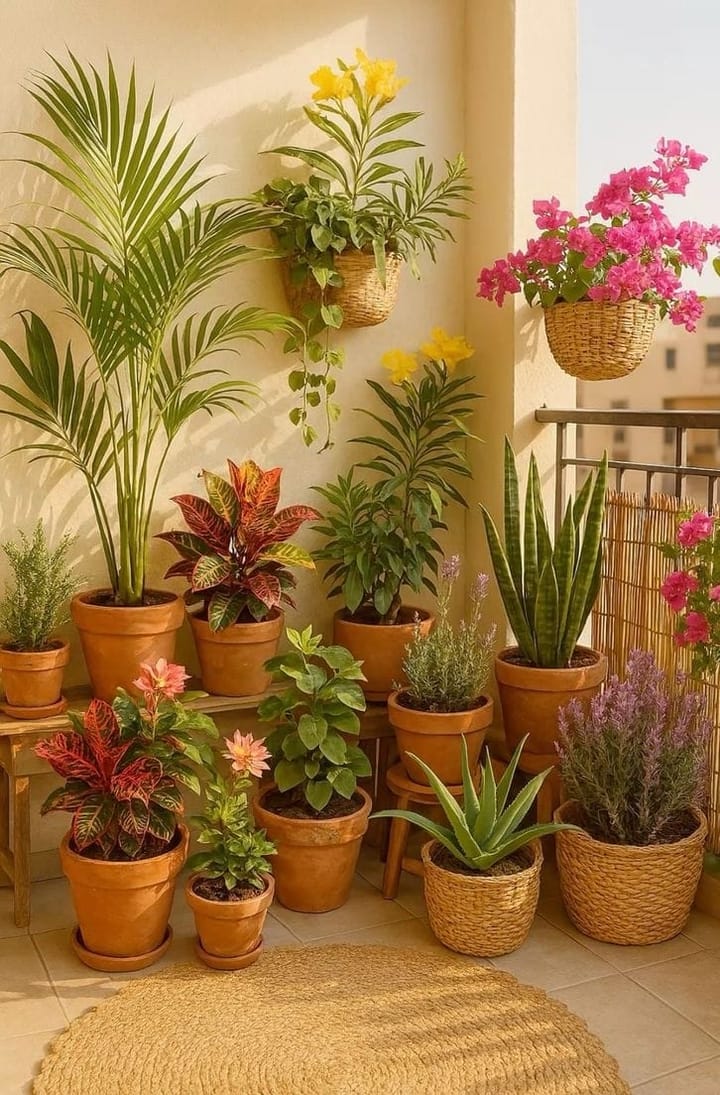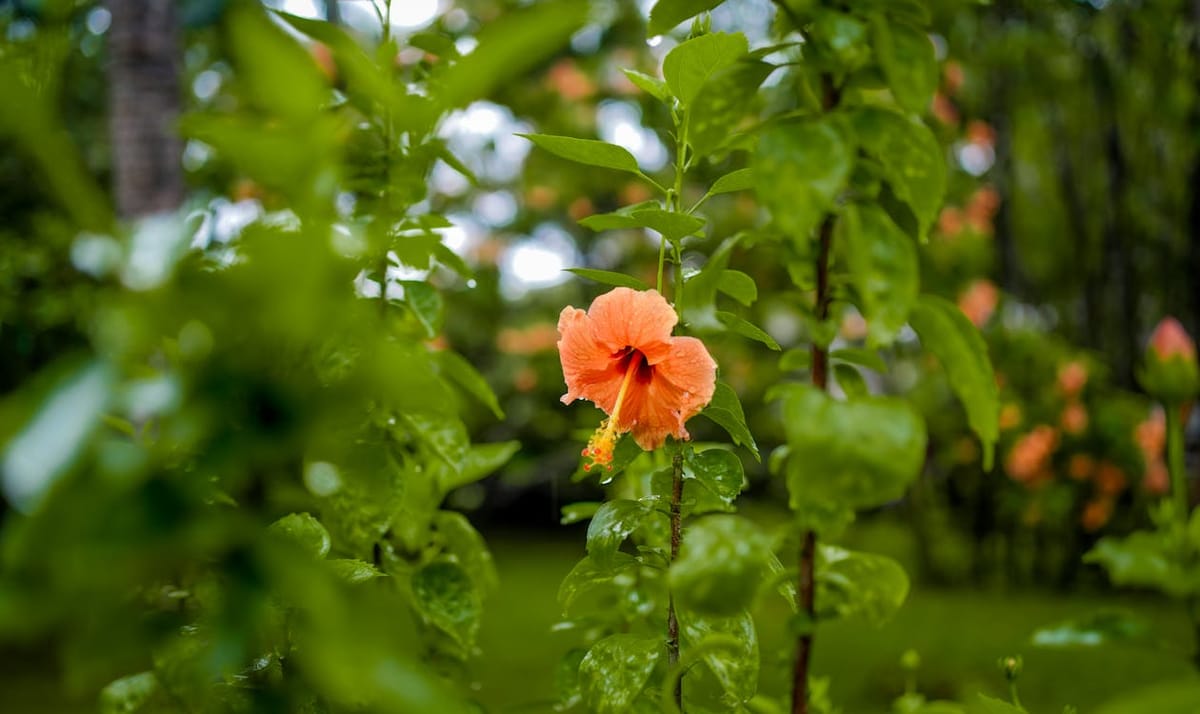
Walk through any residential colony in India in February and March and every third balcony has a hibiscus in full bloom. Walk through the same colony in July and most of those same plants have three flowers between them. The plant did not change. The care did.
Hibiscus rosa-sinensis is India's most common ornamental flowering shrub. It is sold in every nursery, gifted at housewarmings, planted in every government office garden. It is also one of the most misunderstood plants in Indian horticulture, primarily because people treat it as a set-and-forget plant when it requires consistent management to keep blooming.
Why It Blooms in Winter but Not in Summer
Hibiscus flowers on new growth. Old woody stems do not produce flowers. Fresh new stems, produced by regular pruning and consistent feeding, produce buds. This is why a hibiscus pruned in October blooms brilliantly in January and February. A hibiscus that was never pruned and never fed has nothing but old wood and produces nothing.
The second factor is stress. Hibiscus in Indian summers, particularly the extreme heat of May and June in North India, often enters a semi-dormant state where it drops buds before they open. This is a temperature response, not a care failure. The plant conserves energy in peak heat and resumes flowering when temperatures drop below 35 degrees.
Varieties in India
Single-flowered hibiscus in classic red is the standard nursery variety. It is the toughest, blooms most reliably, and requires the least attention. If you want consistent flowers with low maintenance, this is the variety to grow.
Double-flowered varieties are prettier but more demanding. They are more susceptible to bud drop in heat, require more feeding, and need better drainage. A single-flowered plant will outlast and out-bloom a double-flowered one in difficult conditions.
Exotic colours, coral, yellow, white, peach, lavender, are generally grafted or hybrid varieties. They can be spectacular but are often less vigorous than the red. If you are growing hibiscus for the first time, start with red.
Sun
Hibiscus needs a minimum of five or six hours of direct sun to flower well. This is non-negotiable. South or west-facing positions work best. A plant in partial shade will grow but produce few flowers, and the few it produces will be smaller and less saturated in colour.
Pruning: The Most Important Thing You Can Do
Prune in October and again in February. The October prune is the more important one. Cut the plant back by one-third to one-half. Remove old woody branches completely. The goal is to leave young, pencil-thick stems that will produce flowering growth over the cool season.
After each pruning, feed the plant. The flush of new growth that follows a prune is when the plant needs nutrition most. This is when a slow-release fertilizer stake is most useful, push two or three into the soil around the plant and the nutrients release gradually over the following weeks as the new stems develop.
If you have never pruned your hibiscus and it is now a large woody shrub with sparse blooms, do a hard prune in October. Cut it back severely, even to 30 cm stumps if necessary. It will look alarming. It will come back, and when it does the new growth will be fresh and capable of flowering.
Water
Hibiscus in the ground is relatively drought-tolerant once established, but it flowers better with consistent moisture. In containers it needs more regular attention. Water when the top two inches of soil are dry, water deeply, and ensure the pot drains completely.
Overwatering in a pot with poor drainage causes root rot. Yellow leaves combined with soft stems at the base usually means the roots have been sitting in water too long.
Pests
Aphids, mealybugs, and whitefly all target hibiscus, particularly new growth. A neem oil spray, five millilitres in one litre of water, applied in the evening, is effective as a weekly preventive during the growing season. If you see sticky residue on leaves combined with black sooty mould, treat promptly, an infested plant drops buds before they open.
Common Problems
Bud drop before opening: Usually temperature stress in peak summer, or inconsistent watering. Keep watering consistent and accept that the plant will slow in extreme heat.
Yellow leaves: Nitrogen deficiency if the leaves are uniformly pale yellow. Overwatering if the lower leaves are yellow and the stems feel soft.
Lots of green growth, no flowers: Too much nitrogen, not enough sun, or the plant has not been pruned and all the growth is old wood.
Frequently Asked Questions
How often does hibiscus flower in India?
In good conditions, regular pruning, consistent feeding, five-plus hours of sun, a well-managed hibiscus can produce flowers almost continuously from October through May. It slows significantly in June and July during peak heat.
Why is my hibiscus not flowering despite full sun?
Most likely it has not been pruned and the growth is all old wood, or it has not been fed. Prune back by a third in October and feed monthly.
Can hibiscus grow in a flat with limited outdoor space?
A balcony receiving five or more hours of direct sun works. Anything less and the plant will survive without flowering consistently.
Is hibiscus prone to pest problems in India?
Yes, particularly aphids and whitefly in the growing season. A preventive neem oil spray every two weeks during March through October keeps populations manageable.