Mint (commonly known as pudina) is the most forgiving herb you can grow at home. It wants water, it wants sun, and it wants to spread. Left to its own devices in the ground, it will spread to fill whatever space you give it and then negotiate for more. In a container, it is perfectly manageable. The question is not whether you can grow it but whether you can grow it without it taking over everything nearby.
Varieties
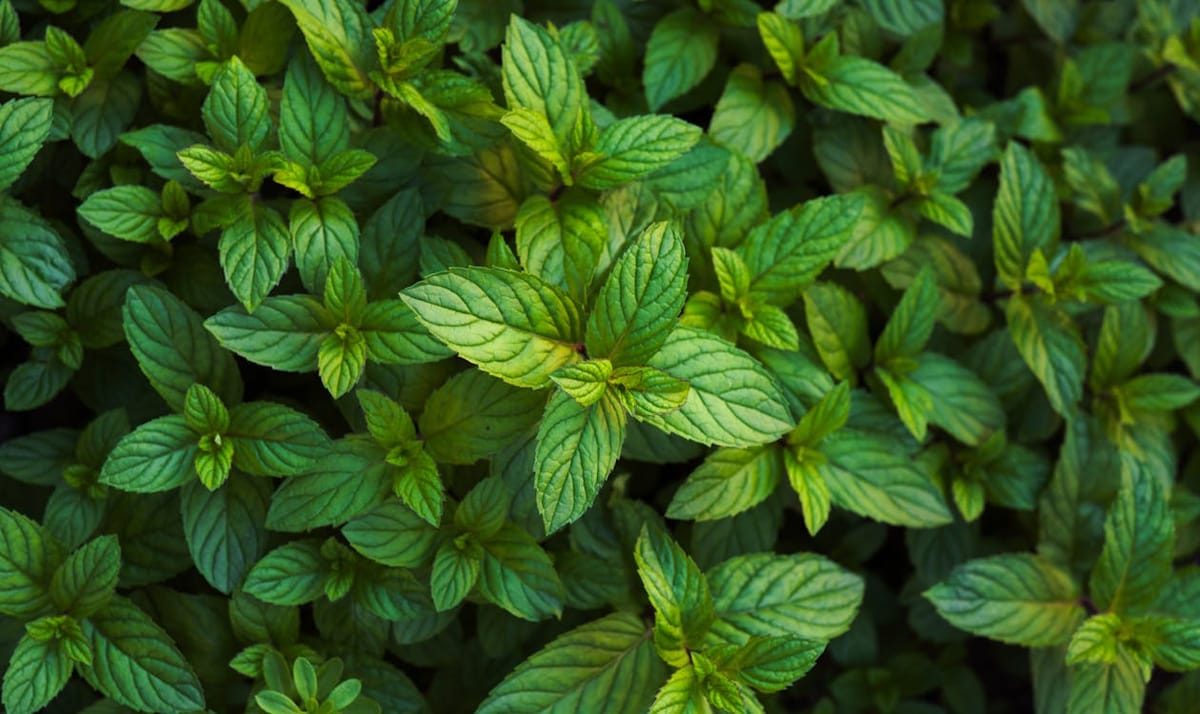
Spearmint is what most Indian home cooks want. It is the pudina used in chutneys, raitas, and drinks. The leaves have the sharp, clean menthol flavour. Most nurseries sell this as a generic "pudina" plant. Peppermint has a stronger, more intensely cool flavour with higher menthol content. It is used in tea and confectionery. Other varieties, chocolate mint, apple mint, lemon mint, are specialty items that are interesting but less practically useful in an Indian kitchen context.
Container vs Ground
Grow mint in a container. Always. If you plant mint in the ground in a garden bed, it will spread via underground runners and colonise the entire bed within two seasons. It is difficult to eradicate once established because any piece of root left in the soil produces a new plant. In a container, a pot, trough, or even a plastic bag, mint stays manageable. A 10 to 12 inch pot is a good size for one plant.
Sun and Position
Mint grows in a wide range of light conditions. It does best in a position receiving four to six hours of direct sun, which produces the most aromatic leaves. In Indian peak summer, April, May, June, direct afternoon sun on a west-facing terrace is too intense. Mint starts to look stressed: leaves pale, stems flop, and growth slows. Move it to a position with morning sun and afternoon shade, or provide shade cloth in the afternoon. It will recover once temperatures drop in July and the monsoon begins.
Water
Mint likes consistent moisture. It will wilt dramatically when it dries out, far more dramatically than most plants, and then recover equally dramatically when watered. The wilting looks fatal but usually is not. Keep the soil consistently moist but not waterlogged. In summer, a mint plant in full sun in a small pot may need watering daily.
Harvesting
Cut stems, not individual leaves. Pick a stem at six to eight inches from the base. The plant will branch from the cut node and produce bushier growth. Regular harvesting keeps mint compact and delays flowering. Once mint begins to flower, the energy shifts to seed production and the leaf flavour diminishes. Cut the flowering stems back to just above a leaf pair. If the plant has gone fully into flower and the stems are woody, cut the entire plant back to about five centimetres above the soil. It will push fresh new growth within two weeks.
Feeding
Mint is not a heavy feeder and grows well with occasional fertilizing. A slow-release stake once a season keeps the soil nutritious. Feeding with a growth promoter diluted in water once a month during the growing season visibly speeds up the leaf production rate and intensifies the aroma.
Common Problems
Wilting despite regular watering: Usually the pot is too small and the roots are exhausted, or the plant is in too much direct afternoon sun in summer. Repot up a size or move to a cooler position.
Pale, yellow leaves: Overwatering in poorly-draining soil, or the plant needs feeding. Check drainage first.
Rust spots on leaves: Mint rust, a fungal infection. Remove affected leaves, improve air circulation around the plant, avoid overhead watering.
Aphids: Common on mint, particularly in spring. A neem oil spray or a strong water spray to knock them off is usually sufficient.
Frequently Asked Questions
Can mint grow indoors in India?
Near a sunny window, yes. Under only artificial lighting, the growth is possible but slow and less aromatic. A balcony or terrace with some direct sun is better.
How do I keep mint fresh after harvesting?
Put the cut stems in a glass of water like cut flowers and keep at room temperature. Or wrap in a damp paper towel and refrigerate. Fresh mint keeps three to five days with either method.
Why does my mint taste bitter?
Usually the plant has flowered or is about to flower, which shifts the chemistry of the leaves. Cut back the flowering stems and the fresh new growth will taste normal.
Can I grow different mint varieties together in one pot?
They will cross-pollinate and the resulting seeds may produce unpredictable hybrid flavours. For culinary purposes, grow varieties separately to maintain distinct flavours.