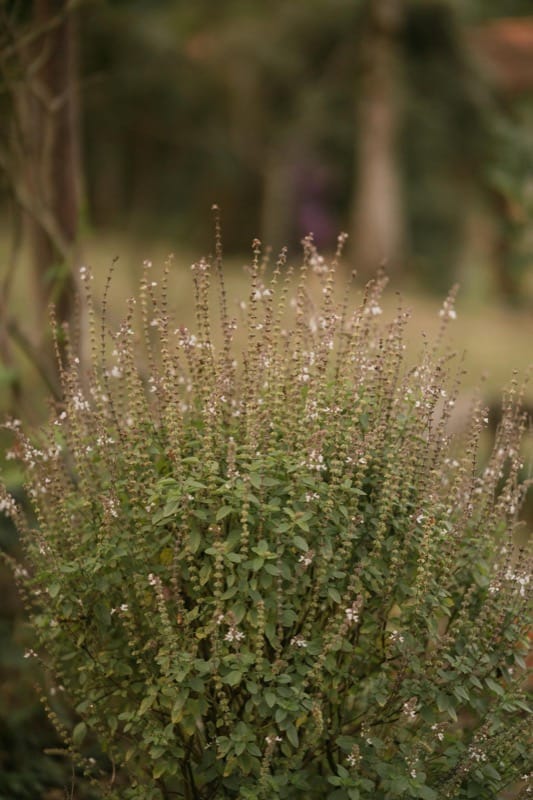
Almost every Indian home has, or has had, a tulsi plant. And almost every one of those plants has, at some point, gone woody and bare-stemmed before the next monsoon. Tulsi is easy to grow and easier to neglect. Here's a 6-month plan that gets you from seed to a bushy plant giving you a small handful of leaves a week.
Pick a Variety
Three common ones in India:
- Krishna tulsi. Purple-tinged leaves and stems. Stronger smell. The traditional pooja variety.
- Rama tulsi. Green leaves. Sweeter, milder. Good for tea.
- Vana tulsi. Wild tulsi, slightly hairier leaves. Less common in nurseries.
For first-time growers, Rama is easiest. Krishna grows just as well, but the dark stems make pest damage harder to spot.
Month 1: Sow the Seeds
Tulsi seeds are tiny, like crushed black pepper. They want very little soil over them.
- Hydrate one of our Coco Peat Discs in 500 ml warm water.
- Spread 6 to 8 seeds across the surface. Press them down gently, don't bury.
- Mist the surface. Cover the bowl with cling film for the first week to keep humidity high.
- Place at a warm window, away from direct sun.
Germination starts in 5 to 10 days. The first sprouts are pinhead-sized, easy to miss. Keep misting daily.
Month 2: First True Leaves and Transplant
By week 3, each seedling has 4 leaves. Move each one into its own 6-inch pot:
- Soil mix: 50% garden soil, 30% coco peat (recycle from the seedling bowl), 20% well-rotted compost or cow-dung manure.
- The pot must have a drainage hole. Tulsi hates wet feet.
- Place in morning sun, east-facing window or balcony, at least 4 hours of direct sun a day.
Month 3: Pinching for Bushy Growth
This is the single technique that separates a healthy bushy tulsi from a tall straggly one. When the plant is 15 cm tall and has 6 to 8 sets of leaves, take the top growing tip between thumb and finger and pinch it off.
Within a week, two new shoots emerge from the leaf joints below the cut. The plant becomes wider, not taller. Pinch again every 2 weeks for the first 3 months. Each pinch doubles the number of growing branches.
If you skip this step, you get a tall plant with leaves only at the top, and woody bare stems at the bottom. That's the most common state we see in WhatsApp photos.
Month 4: First Feed
Push 2 of our Plant Food Sticks into the pot. Water normally. The sticks last 30 to 45 days in a warm pot.
From this month, you can start picking leaves for cooking and tea. Pick from the bottom first, never more than a third of the plant in a single week. Picking actually encourages new growth.
Month 5: Flowering, Pinch It Off
Tulsi sends up a flower spike (manjari) in late summer. The spike is sacred in pooja and the seeds are useful, but here's the catch: once a tulsi plant flowers, it slows leaf production sharply. The energy goes into seeding. Stems start going woody.
If you want fresh leaves through winter, pinch off every flower spike as it appears. If you want seeds for next year, let one or two spikes mature and pinch the rest.
Month 6: Pest Scout
Tulsi attracts mealybugs in humid weather, especially during August and September monsoon. Inspect the underside of leaves and the joints weekly.
If you find them, mix 5 ml of our Plant Booster Oil in 1 litre of water with one drop of dish soap. Spray every 4 days for two weeks. Full method: mealybug treatment with neem oil.
Through the Year: A Maintenance Rhythm
- Water when the top 2 cm of soil is dry. Every 3 to 4 days in summer, every 7 days in winter.
- Sun. 4+ hours of direct morning sun. Less, and the plant gets leggy and weak.
- Feed. 2 fertilizer sticks every 30 days, March to October. Skip in deep winter.
- Pinch every 2 to 3 weeks during the growing season. Single most important habit.
- Preventive neem mist every 14 days during monsoon.
How to Protect Tulsi Plants in Winter
Three things to do when the weather drops below 18 degrees:
- Cut watering by half. Tulsi needs much less water in cold weather. Overwatering is the most common winter killer of home tulsi plants.
- Keep pinching off the flower spike. Once tulsi flowers and seeds, the plant naturally dies. Pinching the manjari all summer extends the plant's life into a second year.
- Move the pot indoors at night. Below 12 degrees is stressful. During Delhi or Punjab winter, bring the pot inside after sunset and put it back out by mid-morning.
Done well, a single tulsi plant will give you about 18 months of tea leaves, pooja leaves, and an air freshener that pays for itself. After that, raising a fresh plant from cuttings or seeds is easier than reviving a tired one.
Read Next
Tulsi grown indoors is vulnerable to spider mites and powdery mildew in the dry months. See the symptom diagnostic for early signs. For the broader Delhi-summer survival list, eight plants that survive 45°C.
Tulsi appreciates a monthly dose of our growth promoter through the flowering season.