Neem oil is the only pest-control bottle most home gardeners need. It's also the bottle most of them use wrong, then conclude it doesn't work. We sell a lot of it from our Delhi shop, and we hear both reactions.
So here's the longer guide. The difference between "works brilliantly" and "doesn't work at all" is mostly in the details.
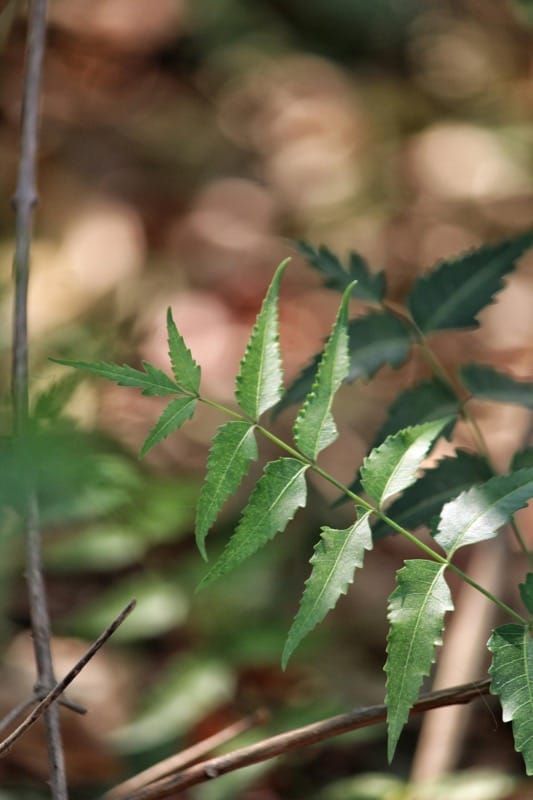
What Neem Oil Actually Is
Cold-pressed oil from neem seed kernels. The active compound is called azadirachtin. It interferes with how insects feed and moult. Heat damages azadirachtin. That's why hot-pressed neem oil, often sold cheap at roadside nurseries, smells like neem but does almost nothing as a pesticide.
Our Plant Booster Oil is single-source, cold-pressed neem in a 100 ml bottle. The smell is bitter and slightly sulphurous. That's the right smell. Odourless "neem oil" is usually mineral oil with a tiny bit of neem mixed in.
The Dilution Recipe
- 1 litre of room-temperature water.
- Add 5 ml of neem oil.
- Add one drop of dish soap. Pril, Vim, Patanjali, anything liquid will do.
- Stir hard for 20 seconds. The soap emulsifies the oil so it doesn't sit on top.
- Pour into a spray bottle. Use within 8 hours. Old mix grows bacteria.
For a single plant or a tiny balcony, halve everything: 500 ml water, 2.5 ml oil, half a drop of soap.
When to Spray
Early morning before 9 am, or evening after 6 pm. Never during the afternoon. The oil-soap mix can magnify sunlight and burn leaves under direct sun. Don't spray if rain is coming in the next 6 hours, the mix needs to dry on the leaf.
For prevention, once every 10 to 14 days, light coverage. For an active infestation, every 4 to 5 days, more thorough coverage, until the bugs are gone. Usually 2 or 3 sprays.
What It Controls
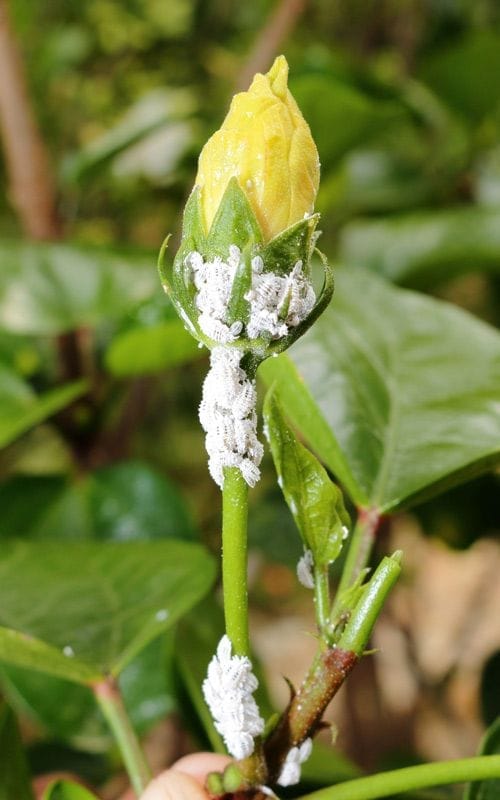
- Mealybugs, the white cottony clusters at leaf joints.
- Aphids, green or black soft bugs on new shoots.
- White-fly, the small white flies that lift off in clouds when you disturb the plant.
- Spider mites, fine dusty webbing under leaves.
- Powdery mildew, white dust on leaves in humid weather.
- Fungus gnats, use as a soil drench at the same dilution. Pour 100 ml around the base.
What It Doesn't Control Well
- Scale insects with hard shells. Pick them off by hand first, then spray.
- Rust spots, those need a copper-based fungicide.
- Snails and caterpillars, neem doesn't deter them at home dilutions. Hand-pick or use beer traps.
The 5 Mistakes That Make Neem Fail
1. Skipping the Soap
Without an emulsifier, oil floats on top of water. Your spray is mostly water hitting the plant, with the oil left behind in the bottle.
2. Wrong Dilution
10 ml in 1 L burns leaves. 1 ml in 1 L is too weak to do anything. Stick to 5 ml per litre. More is not better, it's worse.
3. One Spray and Done
Neem disrupts insect lifecycles, not adult bugs directly. Eggs hatch over 4 to 7 days. You need at least 2 or 3 sprays, 4 days apart, to break the cycle.
4. Spraying Only the Top of the Leaf
Pests live on the underside. Tip each leaf gently and spray the back. Otherwise the spray hits no actual bugs and you'll wonder why nothing happened.
5. Storing Diluted Mix
Mix only what you'll use in 8 hours. The active compound degrades, bacteria grow.
Is It Safe for Bees
Yes, once it dries on the leaf. Don't spray flowers directly during peak bee hours (10 am to 3 pm). Spray leaves only, in the early morning, and let it dry before bees show up.
Is It Safe for Kids and Pets
At the dilutions in this guide, yes. The diluted spray is non-toxic once it's dried on the plant. Don't let pets chew the concentrated bottle directly though. Keep the bottle in a cupboard.
About the Bottle Going Solid in Winter
Pure cold-pressed neem oil solidifies below 22 degrees. That's a quality marker, not a problem. Place the bottle in a bowl of warm water for 5 minutes and it goes liquid again. If your "neem oil" stays liquid in a Delhi January, it's been cut with mineral oil.
For a worked example using all of this, the next post you want is mealybug treatment, step by step. That's where most people start using neem oil for the first time.
Read Next
Specific to mealybug, the mealybug treatment guide. For pre-monsoon spraying schedules, the pre-monsoon checklist.