The two weeks before the monsoon arrives are the most important fortnight of the plant calendar. Pots that look fine in dry heat can rot within a week of the first heavy rain. Fungus that is dormant in May will explode in July. Pests double their numbers every five days once the humidity climbs.
We get more SOS messages on WhatsApp in the first week of July than in the entire rest of the year. Almost all of them are preventable in the last two weeks of May or first week of June. Here is the checklist we use ourselves.
Read the Sky
Start the work when daytime humidity crosses 60% and the wind shifts to easterly. In Delhi that is usually late June. In Mumbai or Kolkata, much earlier, sometimes by the first week of June. In Bengaluru, the pre-monsoon thundershowers in May are your signal.
Cut Back Anything Leggy
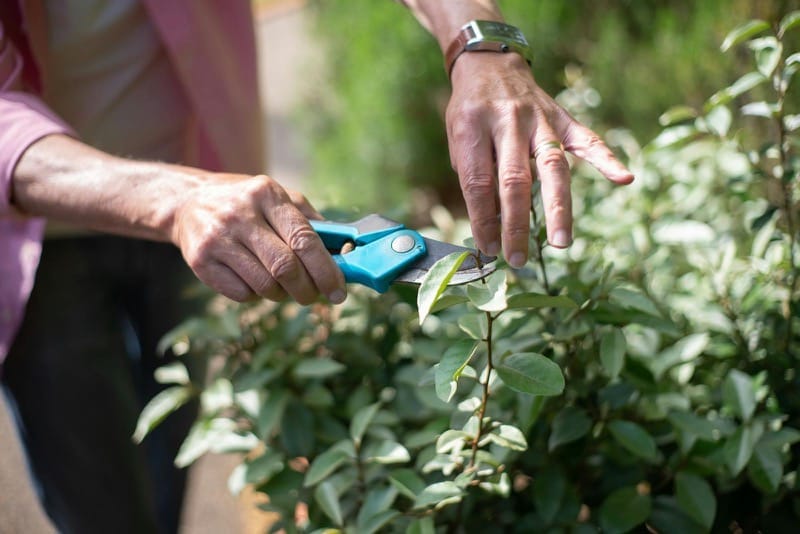
Long, thin, stretched-out branches are the first to break in wind. They are also weak entry points for fungal disease. Walk around with secateurs and cut back the top third of any plant that has grown taller than it is wide.
This feels brutal. Do it anyway. The plant grows back denser and stronger in two months of rain. We have never lost a plant from a hard pre-monsoon trim. We have lost dozens from skipping it.
Repot Anything Root-Bound
If you tip a pot upside down and the root ball comes out as a solid spiral, that plant is root-bound. In dry weather it survives by sipping. In monsoon it drowns, because water has nowhere to go through that wall of roots.
Now is the time. Up-pot to a container 5 cm wider. Loosen the roots with your fingers. Add fresh potting mix. Pure coco peat is too light for an established plant, mix it 50/50 with garden soil and a handful of compost.
Move Heavy Pots Off the Floor
Concrete and tile floors stay cold and wet for days after rain. Pots sitting directly on a wet floor wick that moisture up and the roots sit in a permanent puddle. Lift every pot onto a brick, a wooden block, or a pot stand. Even 2 cm of air gap is enough.
Pre-treat for Fungal Disease
Spray every plant once with diluted neem oil before the rains. This is preventive, not curative. It does not kill existing infection, it stops new spores from settling. Cover the underside of leaves, the soil surface, and the rim of the pot.
Mix: 5 ml of neem oil per litre of water, plus a drop of dish soap to help it stick. Spray in the evening, never in direct sun. Repeat once a week through the monsoon.
Why evening, not morning?
Oil on a leaf in direct midday sun acts like a magnifying glass and burns the leaf. Evening application gives the oil all night to settle before the sun comes up.
Stock Up on Neem Oil
Once the rains start, the local nursery runs out of neem oil within the first two weeks. Every gardener in the city wants it at the same time. Buy a 500 ml bottle now, store it in a cool dark place, it lasts a year.
We do not sell pure neem oil but our neem oil guide walks through which grade to buy and how to dilute it.
The Drainage Check
Pour a litre of water into every pot. Time how long it takes to come out the bottom hole. Anything more than 30 seconds, the drainage is blocked. Causes:
- Roots have grown over the drainage hole. Cure: gently push a chopstick up through the hole to clear it.
- Potting mix has compacted. Cure: poke 6 to 8 deep holes around the rim with a chopstick to aerate.
- The pot is sitting in its saucer with no gap. Cure: lift the pot off the saucer, or drill the saucer.
What NOT to Fertilize Right Now
Heavy nitrogen feeding in the last two weeks before monsoon is a mistake we see a lot. The nitrogen pushes soft new growth, which then gets shredded by wind and infected by fungus.
If you must feed, switch to a low-nitrogen, higher-potassium formula to harden the plant. Or just stop feeding for 3 weeks and resume in mid-July when the rain pattern settles.
The Saucer Question
Empty every saucer. During the monsoon, water collected in saucers becomes the favourite breeding ground for mosquitoes within four days. Either remove saucers entirely (best, lets pots drain freely) or empty them every second day.
Plants to Bring Under Cover
Three categories cannot handle direct heavy rain:
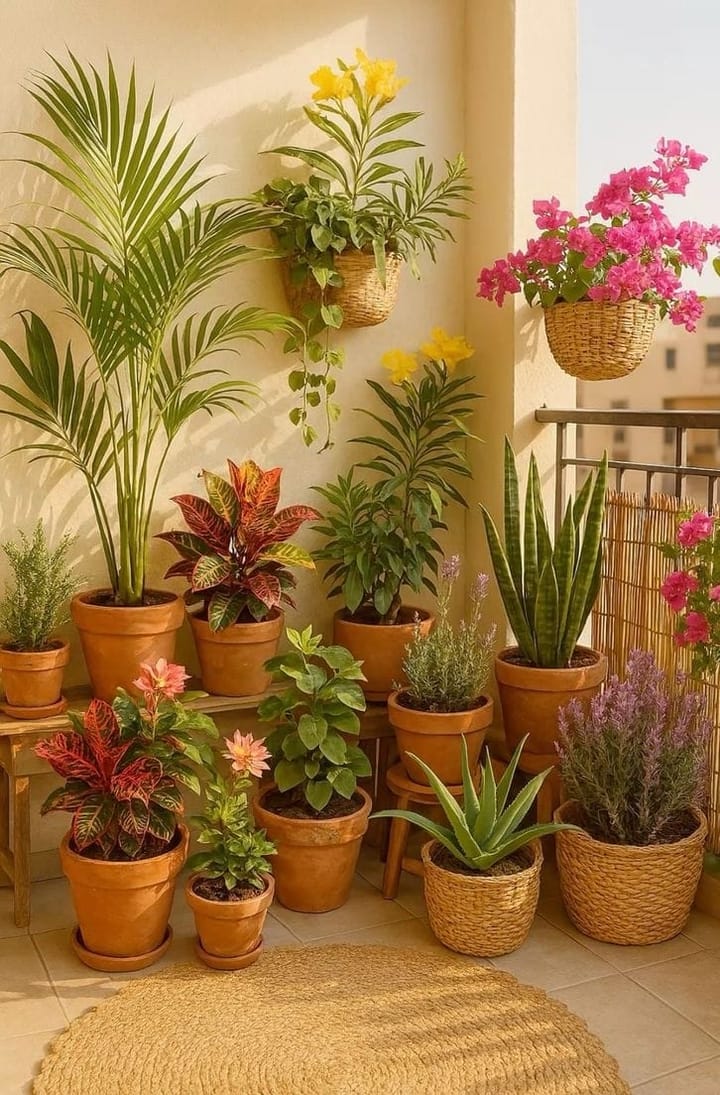
- Succulents and cacti. Reduce watering to once a fortnight, move under a roof.
- Mediterranean herbs (rosemary, thyme, lavender, oregano). Often die outright in monsoon. Bring them under a transparent roof or a tarp.
- Anything in bloom. The rain physically destroys flowers. If you want continued flowering, move the plant to a sheltered spot.
The Quick Audit
Last weekend before the rains, walk around your balcony with a notebook. For each plant, tick:
- Pruned back? (yes / no)
- Repot needed? (now / later / no)
- Drainage running fast? (yes / no, slow drainers fix this weekend)
- Off the floor? (yes / no)
- Sprayed with neem? (date)
- Saucer empty? (yes / no)
If you can tick all six on every plant, you have done more than most home gardeners. The rains will be a growth season, not a survival season.
Frequently Asked
My plant is currently flowering. Should I prune?
No. Let it finish the bloom cycle, then prune. The pre-monsoon trim is for shape and structural strength, not for plants mid-flowering. If the plant flowers continuously (hibiscus, jasmine), prune lightly only, taking maybe one in five long stems.
I live on a covered balcony. Do I still need to do all this?
Less of it. You can skip the heavy pruning and the saucer emptying. But the humidity will still rise dramatically once the rains start, so the neem oil prevention spray is still worth doing. Fungal spores travel on wind even into covered spaces.
How early is too early to start?
You can start the pruning and repotting up to four weeks before the rains. The neem oil spray and the drainage check are best done in the last seven days before the first heavy shower. Watch the forecast.
Can I use our PotsAlive fertilizer sticks during monsoon?
Yes. The sticks release slowly, so heavy rain washes nutrients out slower than with liquid feed. We tell people to push them 5 cm deep and to use one less stick than the label suggests during the heaviest rain weeks.
Read Next
Once the rains are in full swing, work shifts from prevention to maintenance. Our monsoon care guide covers what to do once the water actually starts falling, and the mealybug guide covers the pest that explodes around week three of every monsoon.
Questions? WhatsApp us on the number at the top of every page. We answer ourselves.
Post-monsoon is the best time to start fresh seeds. Our chilli-from-seed guide walks through October planting.