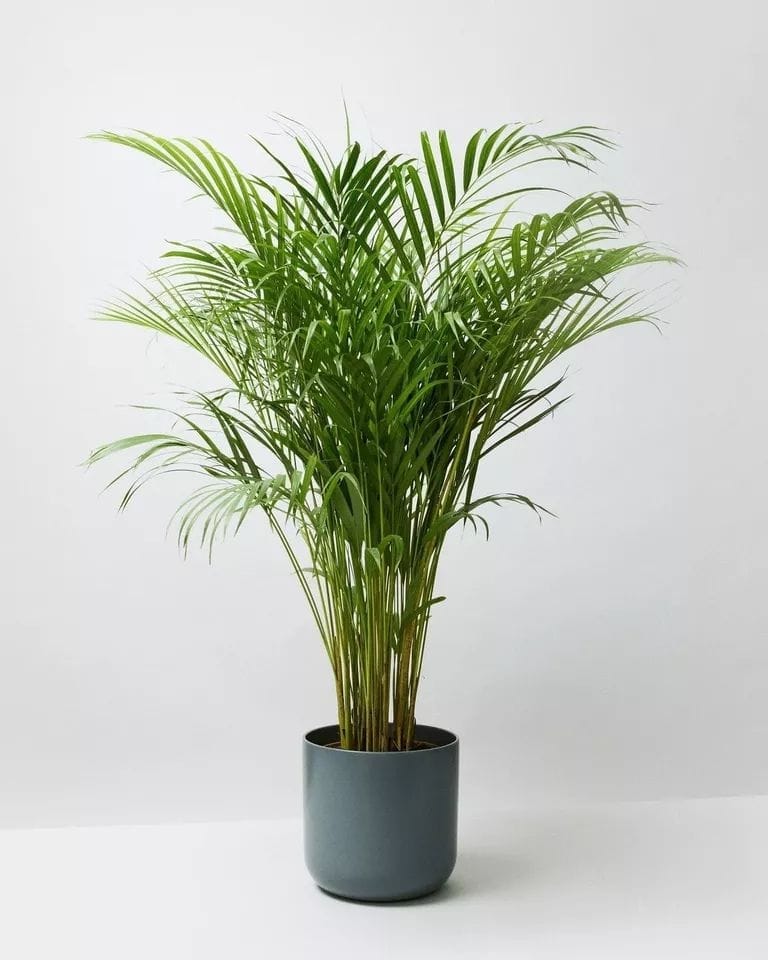
The Areca Palm, Dypsis lutescens, also sold as Butterfly Palm or Golden Cane Palm, is the most-bought indoor palm in India. Walk into any nursery from Lajpat Nagar to Lalbagh and you'll find waist-high Arecas in black grow-bags for under a thousand rupees. Walk into any home where one was bought six months ago, and roughly half are now half-dead with brown crispy fronds and an owner blaming "low humidity."
It is not low humidity. It is, usually, three other things. This is the honest care guide.
Why Most Nursery Arecas Die in Three Months
The Areca you buy from a nursery is almost always:
- Severely root-bound. Nurseries pack 6-8 individual palm seedlings into one pot to make the plant look full. By the time it reaches you, the rootball is a solid mass with no space for water to move.
- In heavy garden soil that holds water like a sponge. Fine outdoors. Lethal in a non-draining indoor pot.
- Sun-trained, not shade-trained. The plant was raised in a poly-tunnel with filtered sun. You bring it home and put it in a dim corner. It starts shedding fronds within weeks.
If you ignore everything else in this post, do this one thing: within 4 weeks of buying, repot the Areca into a slightly larger pot with a proper indoor mix. That single act doubles the survival rate.
Light: Bright, But Not Direct
Arecas want bright, filtered light for most of the day. They will tolerate a few hours of soft morning sun but will scorch in direct afternoon sun behind a Delhi or Jaipur window.
- East or north-east window: ideal. Two hours of morning sun, bright shade afterwards.
- South or west window: keep the palm 1.5-2 metres back from the glass, or filter with a sheer curtain.
- Interior corner: the palm will survive for a few months but slowly thin out as old fronds drop without new ones replacing them.
- Covered balcony: perfect in Bangalore, Mumbai, Pune, Chennai monsoon-light. Dangerous in May-June Delhi heat.
Water: The Number One Killer
More Arecas die from overwatering than from anything else. The mythology says palms love water. It's wrong. Arecas want their soil to almost dry out between waterings, then a deep drink, then almost dry again.
Stick a finger 2 inches into the soil. Dry? Water. Damp? Wait two days. The pot must drain freely.
Indian seasonal cadence:
- March–June: every 4-5 days. The plant is in active growth.
- July–September: every 8-12 days. Monsoon humidity means soil takes forever to dry. This is when Areca roots rot.
- October–February: every 10-14 days. Growth slows; metabolism slows; water needs drop.
The Tap Water Problem (Brown Tips)
This is the one nobody warns you about. Arecas are sensitive to fluoride and chlorine in tap water. Over months, the chemicals accumulate in the leaf tips, which turn brown and crispy. Owners then mist more, water more, blame "dry air", and the tips keep browning.
Fix:
- Fill a bucket with tap water and leave it open for 24 hours. Chlorine evaporates; some fluoride settles out.
- Use that water for your Areca.
- Once a month, flush the pot heavily, water until it runs out the drainage hole for a full minute. This rinses accumulated salts.
If you live somewhere with very hard water (Hyderabad, parts of Delhi-NCR), consider RO reject water (still has fewer chemicals than direct tap) or harvested rainwater during monsoon.
Soil Mix
Areca palms want fast-draining, slightly acidic soil. Repot using:
- 40% coco peat (good water retention without compaction, see our coco peat formats guide)
- 30% garden soil or compost
- 20% perlite or coarse river sand
- 10% well-rotted cow manure or vermicompost
When repotting, do not separate the multiple seedlings the nursery clustered together. They look like one palm but are actually 6-8 plants. Pulling them apart shocks the roots badly. Just shift the whole clump into a larger pot.
Feeding
Arecas are heavy feeders during growth. Underfed palms produce pale, anaemic fronds.
Use a balanced NPK (15-15-15 or 20-20-20) at half strength, every 3-4 weeks from March to October. Skip November–February. See our NPK ratio guide for context.
Or use slow-release fertilizer sticks pushed into the pot, one stick per 8-inch pot, replaced every 6 weeks during the growing season. Easier and more forgiving for first-time owners.
Arecas also need magnesium. Standard NPK products don't contain it. If your fronds yellow uniformly while soil moisture is correct, this is the cause. Sprinkle a teaspoon of Epsom salt (magnesium sulphate) into the pot every 2 months, water in.
The Misting Myth
"Areca palms love humidity, so mist them daily." This is the most repeated and least useful piece of Areca advice on the internet.
Misting raises humidity for about 15 minutes. Then it's gone. Daily misting in an AC-cooled Delhi flat has roughly zero effect on the plant's water status. What it does do is wet the leaf surfaces, which, in monsoon humidity, encourages fungal spots.
What actually helps with humidity:
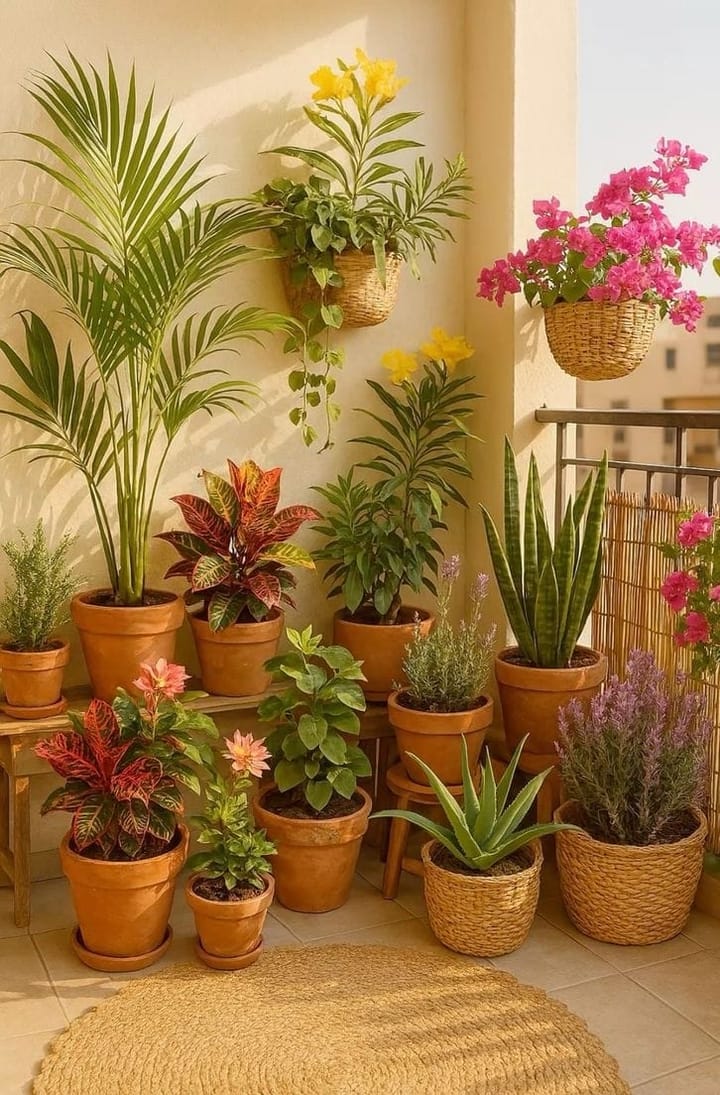
- Group the Areca with other plants. Plants release moisture into the air around them; a cluster creates a real micro-climate.
- Place the pot on a wide tray of pebbles with water that sits below the pot base. Slow evaporation, sustained boost.
- Move the plant out of direct AC airflow. The single biggest cause of Areca leaf browning is sitting under a cold air vent for 14 hours a day.
Common Problems
1. Brown Frond Tips
Either tap water (most common), low humidity from AC, or accumulated fertilizer salts. Switch to settled water, flush the pot monthly, move away from direct AC. Trim the brown tips with sharp scissors, cut at an angle to mimic the natural leaf shape.
2. Whole Fronds Turning Yellow
If it's the lowest fronds and they yellow one at a time over weeks, that's natural. Old fronds drop. Cut them off cleanly at the trunk.
If multiple fronds are yellowing at once and the soil feels wet, it's overwatering. Hold off water for 10-14 days, then resume on a longer cadence.
If the new fronds are emerging yellow, it's a magnesium or iron deficiency. Epsom salt fixes the magnesium version; a chelated iron supplement fixes the iron version.
3. Spider Mites
Tiny pale spots on the fronds, fine webbing on the undersides, gradual loss of green. Spider mites love AC-dry air. Treat with a weekly neem oil spray (5ml neem + 1ml dish soap per litre of water) for three consecutive weeks.
Where to Place It at Home
- Bright living-room corner near an east window: the classic Areca spot. The plant fills the corner without dominating.
- Either side of a TV or media unit: symmetrical pair, softens the geometry.
- Covered balcony with a roof: works year-round in South India; April-June only in North India.
- Entrance lobby: only if the lobby gets indirect daylight. Dark lift lobbies kill Arecas.
Avoid:
- Direct south-facing window in Delhi/Jaipur/Lucknow summer.
- Under an AC vent.
- Next to a heater or warm appliance in winter.
Bottom Line
The Areca palm is genuinely easy if you do three things: repot soon after buying, use settled water, and water on the dry side. Skip those and you're in the 50% that loses it within a year. The plant is not delicate. The nursery setup is.