The banana plant is the most aspirational tropical houseplant on this list and the one most likely to disappoint. In a South Indian courtyard or a Kerala garden, a banana plant practically takes care of itself. In a Delhi apartment with the AC running, it's a six-month adventure with a brown ending. Knowing the difference between an outdoor Musa, a balcony Musa, and an indoor Musa is the first care decision.
This guide focuses on the realistic indoor options and where they actually work.
Which Musa Can Actually Go Indoors
Of the dozens of Musa species and cultivars, only a few stay small enough to live in a pot indoors:
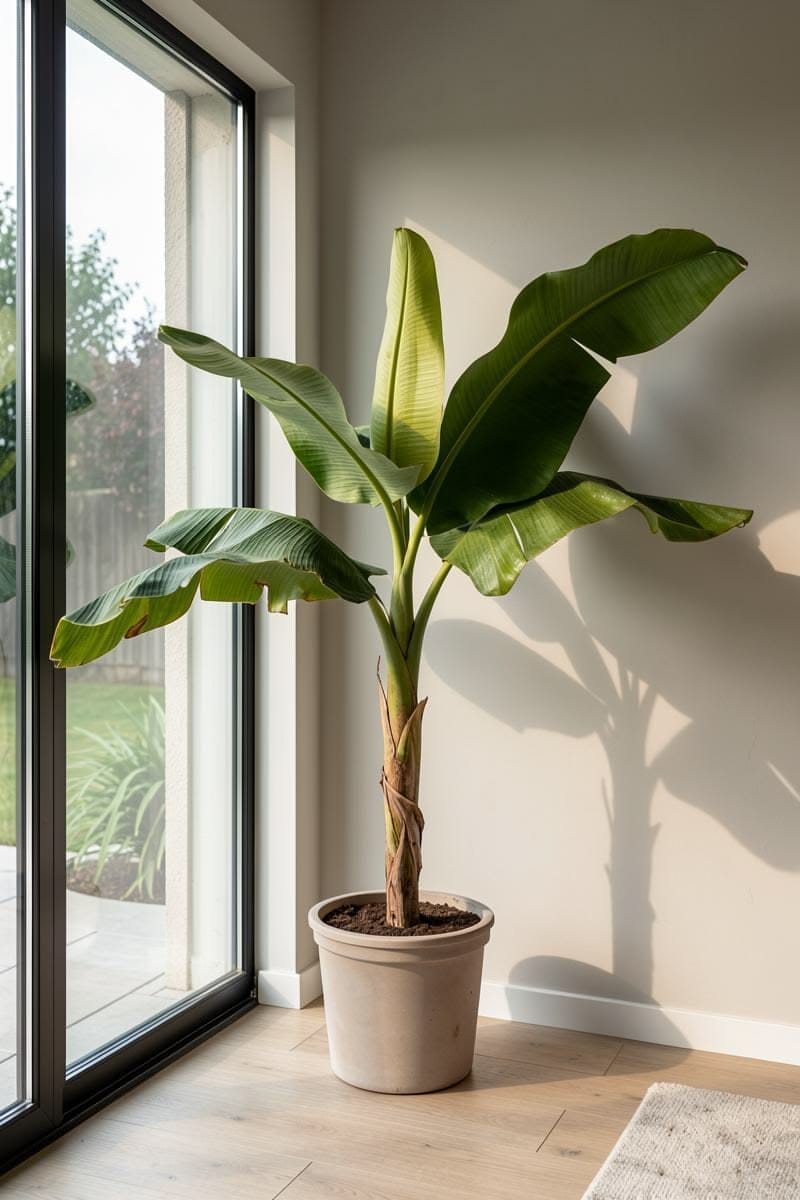
- Dwarf Cavendish (Musa Acuminata 'Dwarf Cavendish'): the most common dwarf banana sold in India. Reaches 1.5-2 metres indoors, 2.5-3 metres in good outdoor conditions. Most realistic indoor option.
- Super Dwarf Cavendish: stays under 1.5 metres. Slightly harder to find but better for small flats.
- Musa Velutina (Pink Banana): produces small pink fruits. Reaches 1.5 metres. Pretty and compact.
- Musa Basjoo (Japanese Banana): cold-hardy variety popular in temperate gardens. Works on a north Indian balcony year-round. Doesn't fruit, but the leaves are huge.
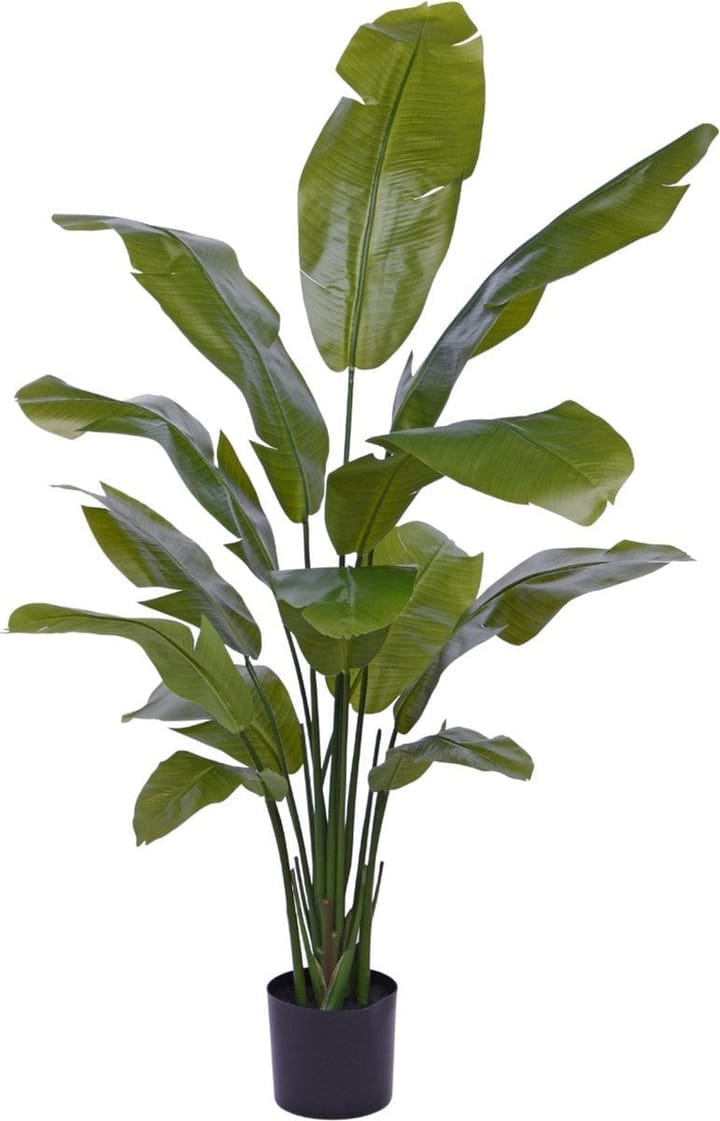
Standard banana plants (Robusta, Grand Naine, Nendran etc) reach 3-6 metres and are not realistic indoor plants. Skip them unless you have a large outdoor space.
Where Banana Indoors Actually Works
Banana plants need warmth, humidity, and bright light. Indian indoor success depends entirely on climate:
- Coastal Kerala, Tamil Nadu, Karnataka, Goa: works year-round indoors or on a balcony. The plant is happy.
- Mumbai, Pune, Bangalore: works year-round in a well-lit indoor spot, especially during monsoon.
- Hyderabad, Chennai: works most of the year with humidity attention.
- Kolkata: works in summer and monsoon, struggles in cool dry winter.
- Delhi, Gurgaon, Noida: extremely difficult indoors. Possible only with serious humidity management. A balcony works better than an interior room.
- Punjab, Haryana, Rajasthan, much of UP: indoor banana is a losing battle. Outdoor on a sunny balcony from March to October, then move inside or accept the plant goes dormant in winter.
For South Indian homes with a courtyard or open garden, the better option is to plant Musa directly in the ground. It thrives there and is essentially zero-maintenance.
Light
Banana wants as much bright light as you can give it.
- South or south-east window without curtain: ideal in coastal cities. Filter with a sheer curtain in North India peak summer.
- West window: works with afternoon sun protection.
- East window: workable but slow growth.
- Open balcony with several hours of sun: best of all in most Indian cities.
- North window or interior corner: doesn't work. Banana needs strong light to produce leaves.
Water
Banana plants are thirsty. They drink more than almost any other potted plant indoors.
Check daily. The top inch of soil should never feel completely dry.
- March–June: every 2-3 days, sometimes daily in peak heat.
- July–September: every 4-6 days. Monsoon ambient moisture reduces demand.
- October–February: every 7-10 days. Cool weather slows the plant.
Always water deeply and let drain. Despite the high water demand, banana roots rot in standing water.
Humidity: The Real Bottleneck
Banana plants want 50%+ humidity. Below 40%, the leaf edges brown. Below 30%, the leaves crisp up.
Indian indoor humidity by season:
- Coastal cities most of the year: 60-90%, well within range.
- Inland cities in monsoon: 65-85%, fine.
- Inland cities in summer with AC: 25-40%, marginal to bad.
- Northern India in dry winter: 15-30%, brutal for bananas.
To raise humidity around the plant:
- Group with other plants tightly.
- Pebble tray under the pot with water below the pot base.
- Humidifier near the plant during dry months.
- Move away from direct AC airflow.
- If possible, move the plant to a balcony during the cool dry season when ambient humidity is higher outdoors than in a heated indoor space.
Soil Mix
Rich, moisture-retentive, well-draining:
- 40% coco peat (good water retention, see our coco peat formats guide)
- 30% rich potting soil or compost
- 15% perlite or coarse sand
- 15% well-rotted cow manure or vermicompost
Banana plants are heavy feeders and the mix should reflect that. Repot annually for young plants, every 2 years for mature ones. Use a pot at least 12-14 inches in diameter for a full-size dwarf Cavendish.
Feeding
Banana plants are extremely heavy feeders. Underfed bananas produce small pale leaves and never fruit.
A balanced NPK at full strength every 2 weeks during March-October. See our NPK guide.
For potted indoor bananas you actually want to fruit (which is rare and difficult): switch to a high-potassium feed (something like 5-5-12 or 10-10-20) once the plant is mature, around year two. Potassium triggers flowering.
Skip feeding November-February.
Why the Leaves Shred (And It's Not a Problem)
Banana leaves shred along the veins as they age. This is a feature, not a defect. In nature it allows wind to pass through the leaf without ripping it off the stem.
Indoor leaves shred for the same reason: any contact with fans, AC airflow, walls, furniture, or curtains will start tears along the leaf veins, which then expand naturally as the leaf grows and ages.
If you want intact unshredded leaves: place the plant where nothing touches the leaves, no fan above it, no draft, no people brushing past. Realistically in an Indian flat with a ceiling fan, expect shredded leaves. Most banana enthusiasts find the shredded look attractive.
Common Problems
1. Brown Leaf Edges and Tips
Low humidity. The defining banana problem in Indian indoor settings. Either fix the humidity or accept the cosmetic loss.
2. Yellow Leaves
If the lowest leaf at a time, normal aging. Cut at the base.
If multiple leaves yellow at once and the plant looks stressed, possible causes include overwatering (check soil), nutrient deficiency (resume feeding), or root constraint (repot).
3. No New Leaves for Weeks
Either light too low or temperature too cool. Move to brighter, warmer spot. In North Indian winter the plant slows down naturally; resume normal growth in spring.
4. Leaves Curling or Rolling Inward
Underwatering (most common in summer) or extreme heat stress. Check soil immediately; water deeply if dry.
5. Black Spots on Leaves in Monsoon
Fungal infection from constant high humidity with poor airflow. Improve air circulation around the plant. Spray with a copper-based fungicide if it spreads.
Will It Fruit Indoors?
Rarely. To fruit, a banana plant needs:
- 2-3 years of mature growth.
- Daily temperatures consistently between 24°C and 32°C.
- Heavy regular feeding with potassium.
- Strong light, at least 6 hours of bright filtered sun.
- A large pot or in-ground planting.
Indoor potted bananas in Indian flats almost never check all five boxes. On a sunny South Indian balcony, fruiting is possible. Indoors in Delhi, essentially zero chance. Enjoy the leaves and skip the fruit expectation.
Where to Place It at Home
- Sunny South Indian courtyard or balcony: ideal. The natural environment for Musa.
- Bright living-room window in Mumbai, Bangalore, Pune: works year-round with reasonable care.
- North Indian balcony March-October: workable for the active season. Move inside or accept dormancy in winter.
- High-ceiling sunroom or atrium: gives the plant room to spread.
Avoid:
- Direct AC airflow.
- Interior corners or any spot more than 2 metres from a strong window.
- Tight spots where the wide leaves can't fan out.
- Cool drafty doorways in winter.
Bottom Line
The banana plant is a balcony or courtyard plant misclassified as an indoor plant. In South India and coastal cities, the indoor version genuinely works. In Northern India, accept the seasonal pattern: outdoors March to October, indoors with humidity strategies in winter, or simply choose a different statement plant. If you live in Kerala or coastal Karnataka, plant one in the ground; it'll grow faster than you expect and ask for nothing.