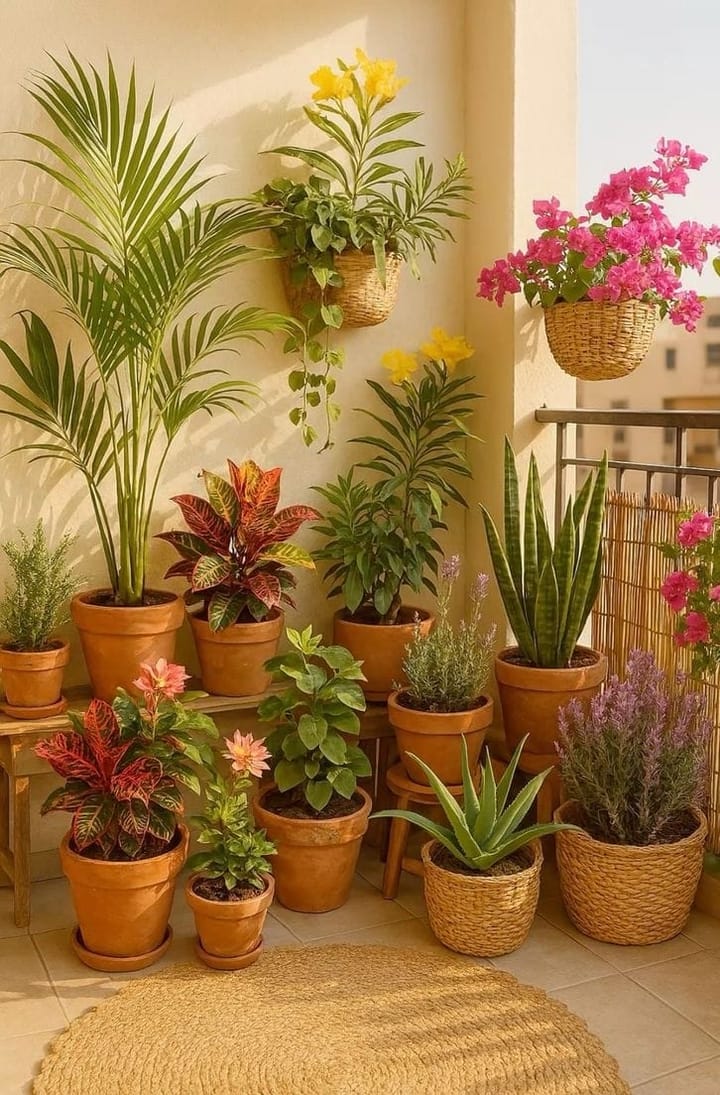
The Majesty Palm (Ravenea Rivularis) is the most heartbreaking plant on this list. Tall, lush, tropical, dramatic, and almost universally mis-sold in India as an indoor plant. In the right climate it can live indoors for years. In the wrong climate it dies within four months no matter what you do. Knowing which climate you're in is the most important Majesty Palm question.
This guide is about avoiding the most common Indian Majesty Palm mistake: buying one for a Delhi flat in May.
What Majesty Palm Actually Needs
Majesty Palm is native to riverbanks in Madagascar. In the wild it grows with its feet near constantly-moving water and its head in warm, humid, partially-shaded conditions. It expects:
- Humidity above 60% most of the time.
- Soil that stays moist but never waterlogged.
- Bright filtered light, plenty of it.
- Temperatures between 20°C and 32°C.
Most of peninsular and coastal India provides this naturally. Most of Northern India provides only one or two of these for half the year. The plant doesn't compromise.
Where Majesty Palm Actually Works in India
Cities where Majesty Palm survives indoors year-round:
- Mumbai, Pune, Goa: high coastal humidity, mild winters. Best success rate.
- Bangalore: moderate humidity, mild temperatures, stable conditions. Excellent.
- Kochi, Thiruvananthapuram, anywhere in coastal Kerala: tropical conditions that match the plant's native range.
- Chennai, Hyderabad: workable with humidity management.
- Kolkata: works in summer, struggles in dry winter.
Cities where Majesty Palm slowly dies indoors:
- Delhi, Gurgaon, Noida: dry winters (humidity below 30%), peak summer heat with low humidity, AC dropping humidity further. Most Majesty Palms here die within 6-12 months.
- Punjab, Haryana, Rajasthan, much of UP: same as Delhi but worse in summer.
- Most of the northern plains in winter: indoor air humidity often drops below 20%.
If you live in a dry-winter city and you want this look, choose Areca or Kentia or Bamboo Palm instead. They give you 80% of the visual impact with a fraction of the failure rate.
Light
Bright filtered light, plenty of it.
- East or south-east window with sheer curtain: ideal.
- South or west window with sheer curtain: works if humidity is right. Pull back from glass in peak summer.
- Bright atrium or skylight: excellent.
- North window: borderline. The plant survives in coastal cities, struggles inland.
- Covered balcony in Bangalore, Mumbai, Kerala, Pune: best of all. The natural humidity helps and the bright filtered light is perfect.
- Interior corner: doesn't work. Majesty Palm needs both light and humidity.
Water and Humidity
Majesty Palm wants its soil consistently moist but never waterlogged. Drier than a Calathea, wetter than an Areca. The water demand is roughly twice what most Indian indoor palms ask for.
Stick a finger 1 inch into the soil. If it comes out dry, water. Don't wait for the top 2 inches to dry the way you would with most palms.
- March–June: every 3-5 days.
- July–September: every 5-8 days.
- October–February: every 7-10 days.
Water deeply, drain fully, empty the saucer. Despite the high water demand, root rot is still possible if the pot doesn't drain.
Humidity is the bigger challenge in Indian homes. To raise local humidity:
- Group with other plants tightly. Plants release moisture; a cluster builds a real micro-climate.
- Place the pot on a wide tray of pebbles with water sitting below the pot base.
- Run a small humidifier near the plant during dry months.
- Move the plant out of direct AC airflow.
- Mist daily in dry winter weather, accepting that it helps for an hour at most.
Soil Mix
Rich, moisture-retentive, well-draining:
- 40% coco peat (good water retention without compaction, see our coco peat formats guide)
- 30% potting soil or rich compost
- 20% perlite or coarse sand
- 10% well-rotted manure or vermicompost
The mix should feel moist when squeezed but should still drain freely when watered.
Feeding
Heavy feeder during active growth. A balanced NPK at half strength every 2-3 weeks during March-October. See our NPK guide.
Slow-release sticks: one stick per 8-inch pot, replaced every 5-6 weeks during the growing season.
Majesty Palm benefits from extra magnesium and iron. A teaspoon of Epsom salt every 2 months and a chelated iron supplement every 3 months keep the fronds dark green.
Skip feeding November-February.
Why Yours Is Browning
The two universal Majesty Palm failure signs:
1. Brown Frond Tips Progressing Down the Leaflets
Humidity too low, in 95% of Delhi-region cases. Move out of AC, group with other plants, run a humidifier if you have one. If the humidity issue isn't fixable in your home, you bought the wrong plant for your climate.
2. Whole Fronds Turning Yellow or Brown
If the lowest frond at a time, normal aging. If multiple fronds at once with wet soil, overwatering. If multiple fronds at once with dry soil and low humidity, the plant is failing from environmental stress.
A Majesty Palm that has lost more than half its fronds in a season is usually too far gone to recover. Better to accept the loss and choose a more climate-appropriate replacement.
Seasonal Care
Majesty Palm is one of the few large indoor plants in India that needs season-specific routine changes.
March-May (Pre-monsoon Heat)
Active growth. Water often, feed regularly, watch for sun scorch on fronds nearest the window.
June-September (Monsoon)
Best season for the plant in any Indian city. High humidity, warm temperatures, frequent diffuse light. Active growth peaks. Push feeding and watering on the upper end of recommended cadence.
October-February (Cool/Dry)
The danger window for Northern India. Humidity collapses, AC and heaters run. The plant slows down but isn't fully dormant. Reduce watering frequency, stop feeding, prioritise humidity management.
Common Problems
1. Brown Tips on Most Fronds
Humidity. The single overwhelming cause.
2. Yellow Fronds With Green Veins
Iron or magnesium deficiency. Try chelated iron or Epsom salt. Repot if soil pH is off.
3. Spider Mites
The narrow fronds and dry indoor air are spider-mite paradise. Treat with weekly neem oil sprays. Raise humidity to discourage them.
4. No New Growth in the Growing Season
Light too low, or root system damaged by past overwatering. Move to brighter spot. Inspect roots; replace soil if mushy or sour-smelling.
Where to Place It at Home
- Mumbai/Bangalore/Kerala covered balcony: best possible spot in those climates.
- Bright living room near a window with sheer curtain: only with humidity management.
- Bathroom with daylight and a window: the humidity boost helps significantly.
- Group of plants in a humidity-tray cluster: makes the plant's needs more manageable.
Avoid:
- Direct AC airflow.
- Delhi or any dry-winter city without a serious humidity strategy.
- Direct hot afternoon sun.
- Pots without drainage holes.
Bottom Line
Majesty Palm is a beautiful plant in the right climate and a slow tragedy in the wrong one. If you live in Mumbai, Bangalore, Pune, Kerala or coastal Tamil Nadu, buy with confidence. If you live in Delhi or the northern plains, either commit to a serious humidity-management routine (humidifier, plant grouping, no AC blast) or choose Areca, Kentia or Bamboo Palm instead. The plant doesn't compromise on humidity; you have to match its expectations or it dies.